When planning a construction or renovation project, the choice between wood and engineered lumber can significantly impact the outcome, budget, and longevity of the structure. For those in industries like furniture production, construction, and interior design, understanding these materials’ unique properties is essential to making the right choice. This blog dives into the differences, advantages, disadvantages, and ideal applications for both wood and engineered lumber to help you make an informed decision.
Understanding Wood and Engineered Lumber
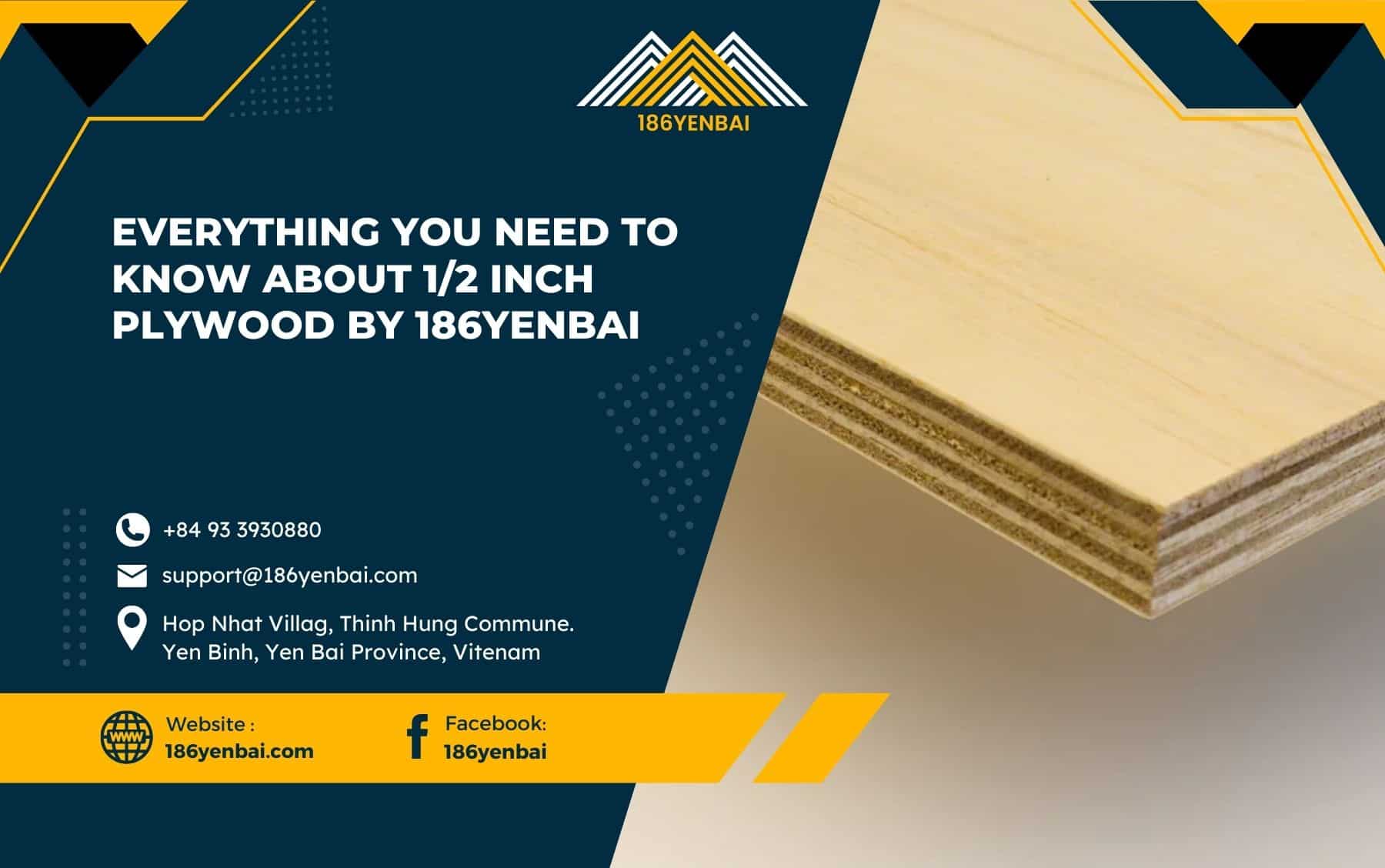
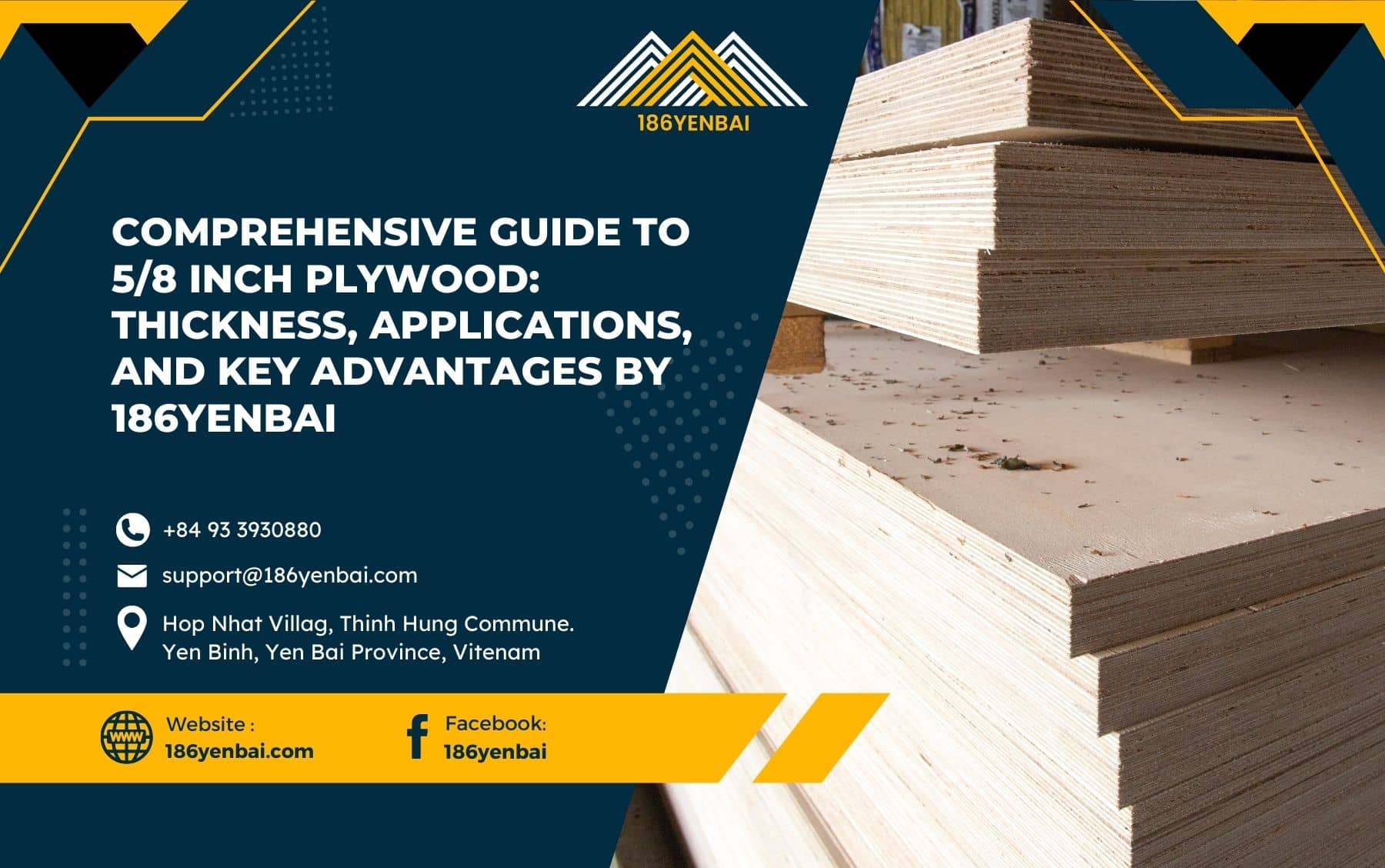
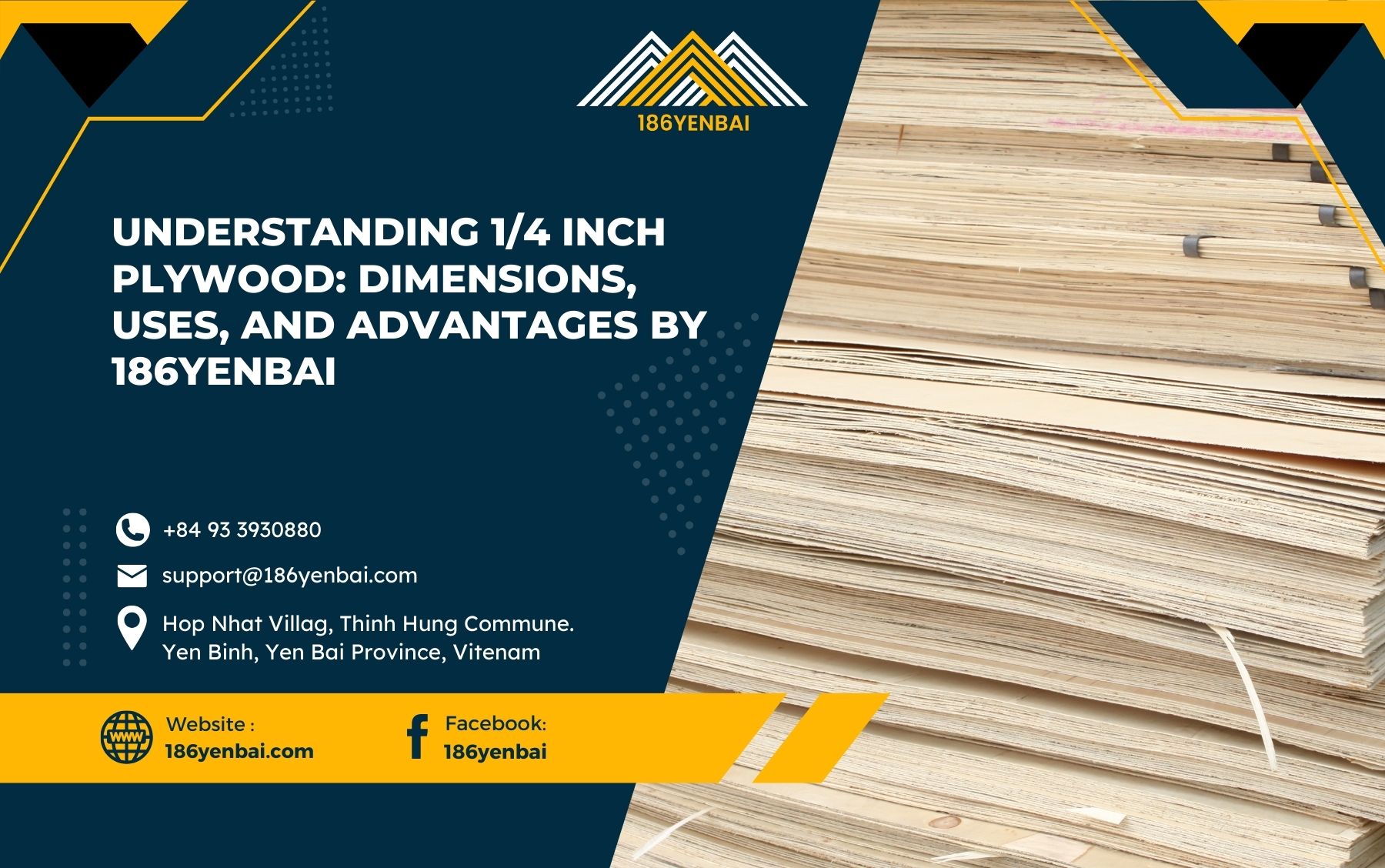
Wood refers to natural, solid lumber obtained from trees and shaped into boards, beams, or planks. In contrast, engineered lumber is manufactured by binding or layering wood particles or fibers with adhesives under heat and pressure to create a composite material. Both options offer benefits and drawbacks, but selecting the right one depends on the requirements of your specific project.
Key Differences Between Wood and Engineered Lumber
1. Durability and Strength
Natural wood has an impressive structural integrity that can endure substantial weight and stress. Engineered lumber, on the other hand, is designed to eliminate the natural weaknesses found in wood, such as knots or grain inconsistencies, resulting in a product with a more uniform strength distribution. For instance, plywood, a type of engineered lumber, can resist cracking and splitting better than solid wood.
Internal Links for More Insight
To learn more about high-quality plywood and its role in global markets, check out Why High-Quality Plywood is the Ultimate Choice for Global Markets.
2. Sustainability and Environmental Impact
As demand for environmentally friendly products grows, engineered lumber has become a popular alternative due to its ability to utilize smaller, faster-growing trees, which helps conserve old-growth forests. In comparison, natural wood, while renewable, requires more time to regrow and is less sustainable when not responsibly harvested.
3. Workability and Installation
Wood is easy to work with for experienced carpenters, as it can be nailed, screwed, or cut without specialized tools. However, wood can shrink, expand, or warp over time due to moisture fluctuations. Engineered lumber is designed to reduce these tendencies, providing a stable and reliable material for structures where dimensional accuracy is critical.
Pros and Cons of Using Wood
Pros of Wood:
- Aesthetic Appeal: Wood provides a timeless, natural beauty with unique grain patterns, making it ideal for furniture, decorative elements, and exposed structural beams.
- High Load-Bearing Capacity: For certain applications, wood can support heavy loads and withstand high pressure.
- Workability: Wood can be easily modified on-site, making it highly adaptable for custom projects.
Cons of Wood:
- Moisture Sensitivity: Wood is prone to warping and rot, especially in humid conditions, unless properly treated.
- Inconsistent Quality: Natural wood’s grain and density vary, which can affect its strength and durability.
- Higher Cost for Quality: Premium-grade wood is often more expensive than engineered lumber, especially hardwoods.
Pros and Cons of Engineered Lumber
Pros of Engineered Lumber:
- Dimensional Stability: Engineered lumber, such as high-density fiberboard (HDF) and medium-density fiberboard (MDF), is less likely to expand or contract with changes in humidity, ensuring lasting dimensional stability.
- Cost-Effectiveness: Often more affordable than high-quality natural wood, engineered lumber maximizes efficiency by using more of the raw material.
- Versatile Applications: Engineered lumber is widely used for cabinets, flooring, and interior wall panels.
Cons of Engineered Lumber:
- Lower Strength: While engineered lumber is strong, it typically does not match the load-bearing capacity of high-quality hardwood.
- Susceptibility to Water Damage: While more moisture-resistant than untreated wood, engineered lumber can still suffer damage if exposed to prolonged moisture.
- Chemical Content: The adhesives used in engineered lumber may emit low levels of formaldehyde, though many manufacturers now offer low-formaldehyde or formaldehyde-free products.
Common Applications of Wood vs. Engineered Lumber
- Structural Components:
Wood is often preferred for load-bearing beams and posts due to its strength. However, LVL (Laminated Veneer Lumber), a type of engineered lumber, is increasingly used as it offers high strength and stability in beams and headers. - Interior Elements and Furniture:
For fine furniture, solid wood is a premium choice due to its natural appearance and unique grain patterns. Yet, engineered options like MDF are often chosen for interior elements, cabinetry, and furniture because of their cost-effectiveness and smooth surface, ideal for veneers and finishes.- Further Reading: Curious about the difference between high-quality and low-quality plywood? Visit High-Quality Plywood vs. Low-Quality Plywood: What’s the Difference?.
- Flooring and Wall Paneling:
Engineered lumber, especially engineered hardwood flooring, has gained popularity for its durability and moisture resistance, making it a great option for kitchens, bathrooms, and basements. - Exterior Applications:
Natural wood, particularly weather-resistant varieties like cedar and teak, is typically used for decks, siding, and outdoor structures. Proper treatment can extend its lifespan, but engineered options like exterior-grade plywood or OSB (Oriented Strand Board) are also viable choices when budget constraints are present.- Related Resource: To learn about 186YENBAI’s influence in plywood manufacturing and the types of plywood available for diverse applications, explore 186YENBAI: Leading the Way in Vietnam’s Plywood Manufacturing Industry.
Wood vs. Engineered Lumber: Key Considerations for Selection
Project Budget
Solid wood often commands a premium price, particularly for high-quality hardwoods like oak and maple. For budget-conscious projects, engineered lumber offers similar durability at a fraction of the cost, making it a practical choice for interiors.
Longevity Requirements
If longevity and resilience are primary concerns, engineered lumber provides stability and moisture resistance that outperforms natural wood, especially in controlled environments. However, wood has unmatched durability in outdoor settings when properly treated.
Aesthetic Requirements
When appearance is a top priority, natural wood is unmatched in its visual appeal and unique grain patterns, adding warmth and authenticity to any space. Engineered lumber, though uniform in appearance, can be coated with veneers to mimic natural wood’s look, allowing more versatility in design.
Conclusion
The choice between wood and engineered lumber ultimately depends on your project’s specific needs, budget, and aesthetic preferences. Solid wood is ideal for projects where natural aesthetics, strength, and timeless appeal are essential, especially in exposed elements like furniture and decorative finishes. Engineered lumber, however, is a versatile, cost-effective alternative for interiors and applications requiring stability, precision, and moisture resistance.
By understanding these materials’ unique properties and applications, you can select the ideal option that aligns with your project’s goals, quality standards, and cost considerations. For more information on plywood options and insights into Vietnam plywood manufacturers‘ global impact, read our article on How Vietnam Plywood Manufacturers are Shaping the Global Market.
Contact Us for Quality Plywood Solutions
For top-quality plywood solutions tailored to your specific needs, contact 186yenbai today.
- Phone: +84 93 3930880
- Email: support@186yenbai.com
- Facebook: Viet Nam Plywood – 186YenBai
- Address: Hop Nhat Village, Thinh Hung Commune, Yen Binh, Yen Bai Province, Vietnam
Explore our full range of wood and engineered lumber products for your next construction or design project!