Plywood is a versatile material used in various outdoor applications, from decking and furniture to garden structures. However, to ensure its longevity and structural integrity, it is crucial to seal plywood properly before exposing it to outdoor elements. In this comprehensive guide, we’ll explore the best methods for sealing plywood for outdoor use, the importance of sealing, and tips for achieving the best results.

Why You Need to Seal Plywood for Outdoor Use
Seal plywood for outdoor use is essential for several reasons:
- Moisture Protection: Plywood is susceptible to moisture, which can lead to warping, rotting, and delamination. A proper seal prevents water infiltration, protecting the material from decay.
- Enhanced Durability: Sealed plywood is more resistant to the effects of weathering, including UV radiation from sunlight and temperature fluctuations. This durability extends the lifespan of outdoor projects.
- Aesthetic Appeal: A good seal enhances the natural beauty of plywood while providing an attractive finish that complements outdoor settings.
- Prevention of Mold and Mildew: Moist environments promote the growth of mold and mildew, which can damage wood and pose health risks. Sealing prevents moisture accumulation, reducing the likelihood of fungal growth.
Key Considerations Before Sealing Plywood
Before diving into the sealing process, keep the following considerations in mind:
- Type of Plywood: Different types of plywood (e.g., marine-grade, CDX, pressure-treated) may require specific sealing methods. Always choose plywood suitable for your intended outdoor application.
- Preparation: Proper preparation of the plywood surface is crucial. Sanding and cleaning the plywood before sealing ensures better adhesion of the sealant.
- Environmental Conditions: Consider the weather conditions when sealing plywood. Ideally, perform this task in dry weather to allow the sealant to cure properly.
The 5 Best Methods for Seal Plywood for Outdoor Use
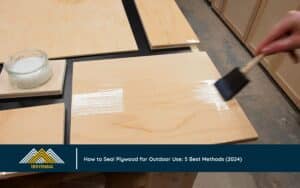
Now, let’s explore the five best methods to seal plywood for outdoor use, each with its unique benefits and applications.
1. Polyurethane Varnish
Overview: Polyurethane varnish is a durable, moisture-resistant coating ideal for protecting plywood edges and surfaces.
Application:
- Start by sanding the plywood with 80-grit sandpaper, focusing on edges and surfaces.
- Clean the dust with a cloth to prepare for sealing.
- Use a small brush to apply the varnish evenly. Avoid direct application to the surface; instead, use masking tape to protect areas where you don’t want the varnish to adhere.
- Allow the first coat to dry for 30 minutes before applying additional layers. Aim for three to four coats for maximum protection.
Advantages: Polyurethane varnish provides a robust, water-resistant finish and is easy to apply.
2. Water-Based Stain
Overview: Water-based stains not only enhance the wood’s color but also provide protection against UV rays and moisture.
Application:
- Sand the plywood to achieve a smooth surface, using 120-grit sandpaper for a finer finish.
- Using a pump-up sprayer, apply a uniform coat of water-based stain to the entire surface.
- After application, wipe away any excess stain with a cloth rag.
- Allow the stain to dry completely, ideally for 24 hours, to achieve optimal protection.
Advantages: Water-based stains are environmentally friendly, quick-drying, and provide a translucent finish that enhances the natural grain of the plywood. They are ideal for outdoor projects requiring both aesthetics and protection against the elements.
3. Epoxy Sealant
Overview: Epoxy is a robust sealing option that provides excellent waterproofing and bonding capabilities, making it a preferred choice for outdoor structures.
Application:
- Prepare the plywood surface by sanding and cleaning it thoroughly.
- Mix the epoxy according to the manufacturer’s instructions.
- Use a brush or roller to apply a generous coat of epoxy to the plywood, ensuring complete coverage, especially on edges and seams.
- Allow the first coat to cure as per the guidelines before applying a second coat for maximum protection.
Advantages: Epoxy forms a strong, waterproof barrier that resists chemicals and physical damage, making it suitable for high-traffic areas or harsh outdoor conditions.
4. Varnish
Overview: Varnish is a traditional wood finishing option that provides a hard, protective layer against moisture and UV damage.
Application:
- Sand the plywood surface to create a smooth finish.
- Apply varnish using a brush, roller, or spray, ensuring even coverage.
- Allow the varnish to dry completely before lightly sanding between coats to achieve a smoother finish.
- Apply at least two to three coats for optimal protection.
Advantages: Varnish is known for its glossy finish and ease of application. It can be used on both interior and exterior plywood and provides excellent moisture resistance.
5. Liquid Latex Sealant
Overview: Liquid latex is a versatile sealing option that offers easy application and effective waterproofing.
Application:
- Prepare the plywood surface by sanding and cleaning.
- Use a garden sprayer or brush to apply the liquid latex sealant evenly across the plywood.
- Apply multiple coats as needed, allowing each coat to dry thoroughly.
Advantages: Liquid latex forms a flexible, waterproof layer that adapts to temperature changes, making it suitable for outdoor applications where expansion and contraction may occur.

Tips for Choosing the Right Sealant
When selecting a sealant for plywood, consider the following:
- Purpose: Determine whether you need protection from moisture, UV rays, or both.
- Finish: Decide on the type of finish you prefer, such as glossy, satin, or matte.
- Application Method: Consider how easy it is to apply the sealant and whether it suits your project’s specific needs.
- Environmental Impact: Choose environmentally friendly products when possible, especially for outdoor projects.
Additional Considerations for Sealing Plywood
Sanding Techniques
Proper sanding is crucial for achieving a smooth, even surface that allows sealants to adhere effectively. Follow these steps:
- Use the Right Grit: Start with a lower grit sandpaper (around 80 grit) to remove rough spots, then progress to higher grits (120-220) for a smoother finish.
- Follow the Grain: Always sand in the direction of the wood grain to avoid damaging the surface.
Sealing Edges
Edges of plywood are particularly vulnerable to moisture penetration. Here’s how to effectively Seal plywood for outdoor use:
- Sand the Edges: Ensure that edges are smooth and free of splinters.
- Apply Sealant Generously: Use a brush or spray to coat the edges thoroughly, allowing the sealant to penetrate any cracks or crevices.
Maintenance of Sealed Plywood
Regular maintenance is vital for extending the lifespan of sealed plywood. Here are some tips Seal plywood for outdoor use:
- Inspect Annually: Check for signs of wear, damage, or peeling.
- Reapply Sealant: Depending on exposure to elements, consider reapplying the sealant every 1-3 years for optimal protection.
Conclusion
Seal plywood for outdoor use is essential for protecting it against moisture, UV damage, and fungal growth. By choosing the right sealing method and following proper application techniques, you can significantly extend the lifespan of your plywood projects. Whether you opt for polyurethane varnish, water-based stains, epoxy, traditional varnish, or liquid latex, each method provides unique benefits tailored to specific applications.
Incorporate these practices into your woodworking projects, and you will ensure that your plywood remains durable, attractive, and well-protected against the elements for years to come. With the right approach, you can Seal plywood for outdoor use like a pro, transforming your outdoor projects into long-lasting investments.
By optimizing your approach to sealing plywood, you not only enhance its functionality but also maintain its aesthetic appeal, ensuring that your Seal plywood for outdoor use spaces remain beautiful and functional. For further insights and details on plywood applications, consider exploring resources on specific plywood types and their best uses.
If you’re interested in additional tips or have specific questions about plywood sealing, feel free to ask!
Contact Us for Quality Plywood Solutions
For top-quality plywood solutions tailored to your specific needs, contact 186yenbai today.
- Phone: +84 93 3930880
- Email: support@186yenbai.com
- Facebook: Viet Nam Plywood – 186YenBai
- Address: Hop Nhat Village, Thinh Hung Commune, Yen Binh, Yen Bai Province, Vietnam
Explore our full range of wood and engineered lumber products for your next construction or design project!