In construction, choosing the right formwork is crucial, especially in projects that require robust, reusable, and adaptable solutions. Plywood formwork has become increasingly popular in the construction industry for its durability, flexibility, and cost-efficiency. This article explores the advantages of plywood formwork, the different types available, and its diverse applications.
What is Plywood Formwork?
Plywood formwork is a temporary structure made of plywood sheets designed to hold freshly poured concrete in place until it sets and solidifies. As a molding tool, it gives concrete the desired shape and texture, making it invaluable for projects like foundations, walls, columns, and slabs.
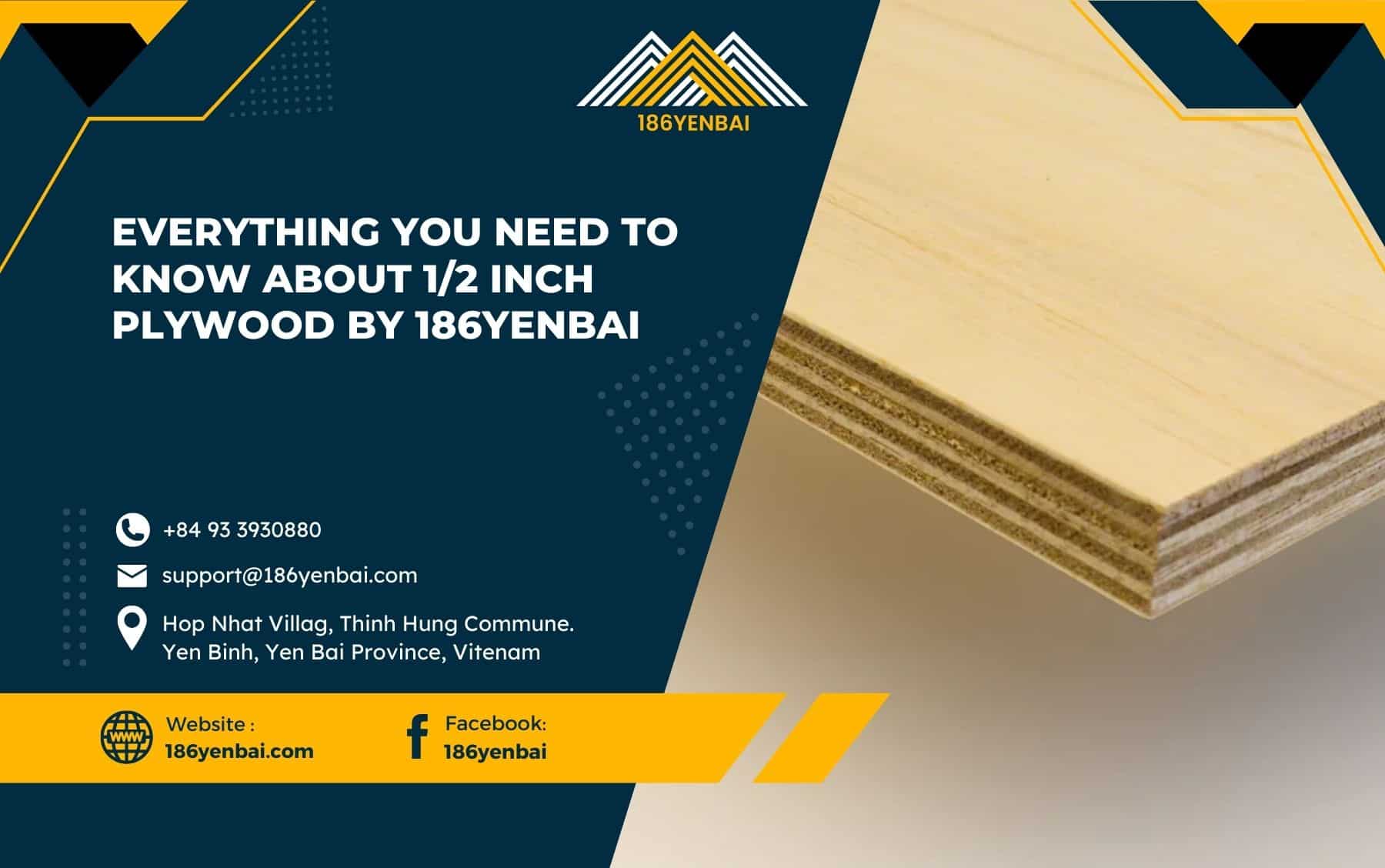
Plywood’s inherent properties—lightweight, strength, and eco-friendliness—make it ideal for construction. Typically, plywood formwork is composed of three cross-laminated layers that maximize durability and resistance to environmental stress. This structure also ensures that large surface areas can be easily and affordably coated, which is particularly beneficial for high-scale infrastructure projects.
Advantages of Using Plywood Formwork
The advantages of plywood formwork are extensive and make it a highly effective option for both small and large-scale projects. Here are some notable benefits:
- Enhanced Concrete Surface Quality: Plywood offers a smooth, clean finish on concrete surfaces, which reduces the need for post-casting work.
- High Durability: Plywood formwork can withstand significant load stress and offers resilience against environmental factors such as moisture and temperature changes.
- Lightweight and Easy Handling: Due to its weight-to-strength ratio, plywood formwork is lighter than other materials, facilitating easier transportation and installation.
- Cost-Effective: Compared to metal formworks, plywood formwork is generally more affordable and available in a variety of sizes to suit different projects.
- Reusable: With proper maintenance, plywood formwork can be reused multiple times, making it a sustainable option in terms of both cost and materials.
- Chemical Resistance: Plywood coated with specialized films or overlays can resist chemicals, making it suitable for industrial applications.
- Versatile Machining: Plywood can be cut, drilled, and fastened using standard tools, enhancing its applicability across diverse construction needs.
Types of Plywood Formwork
Plywood formwork comes in several variations, each with specific features tailored to different requirements. Below are the most commonly used types:
Film-Faced Plywood: This type of plywood has a resin-coated film that enhances its resistance to moisture, abrasion, and chemicals. It offers a smooth surface finish for concrete and is typically used in wall and slab formworks. Its durability also allows for extended reuse, adding to its value in high-demand projects.
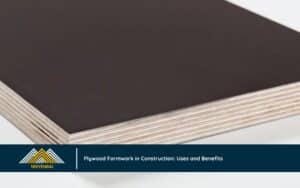
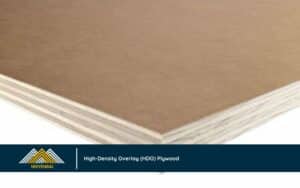
High-Density Overlay (HDO) Plywood: HDO plywood includes a thick resin coating, making it more resistant to water and impacts. HDO plywood provides a more uniform finish and is known for its longevity. It’s commonly used in projects where a smoother concrete finish is required.
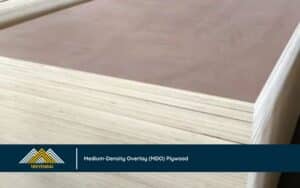
Medium-Density Overlay (MDO) Plywood: MDO plywood features a medium-density resin coating that minimizes the transfer of wood grain to the concrete. It is ideal for applications where a high-quality finish is essential. MDO is slightly less expensive than HDO and is used for projects requiring a smoother appearance but with moderate durability.
Wood Veneer-Faced Plywood: Often the most affordable option, wood veneer-faced plywood lacks the synthetic coatings found in other types but is frequently treated with oil or glue to improve its resistance. This type is commonly used in projects with limited reusability requirements.

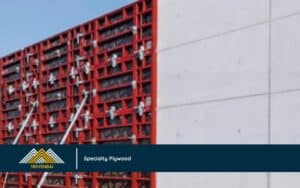
Specialty Plywood: This includes plywood formworks enhanced with proprietary overlays, such as fiberglass, metal, or laminated plastic. These overlays increase stiffness and strength, allowing for specialized applications in infrastructure projects. Specialty plywood formwork is often customized for projects that demand higher performance standards.
Key Applications of Plywood Formwork
The versatility of plywood formwork has made it an essential choice for a wide range of construction projects. Here are the primary applications:
- Walls and Columns: Plywood formwork is highly adaptable, allowing for various configurations, including framed, side-supported, and columnar forms. It is commonly used in creating vertical structures due to its capacity to mold concrete into diverse shapes and sizes with minimal deflection.
- Slabs and Floors: Plywood is an ideal material for forming ceiling slabs, drop beams, and other flat concrete surfaces. Its lightweight property makes it easy to handle on-site, especially when pouring large floor areas. Plywood’s smooth finish also enhances the final appearance of slabs, making it popular in commercial construction.
- Large Infrastructure Projects: From tunnels and bridges to shaft platforms and tunnel systems, plywood formwork is vital for infrastructure that requires durable, custom solutions. For such projects, plywood formwork is often paired with steel components to provide the necessary structural support for large volumes of concrete.
- Custom Applications: Due to the variety of plywood types available, custom solutions are possible to accommodate unique project demands. For example, film-faced or HDO plywood formworks can be designed to fit specialized shapes, ensuring high performance and durability in challenging environments.
Frequently Asked Questions About Plywood Formwork
What sizes are available for plywood formwork?
Plywood formwork comes in various dimensions, commonly ranging from 2×4 feet to 4×10 feet. Larger sheets may be custom ordered for extensive projects.
How many times can plywood formwork be reused?
With appropriate care and maintenance, plywood formwork can be reused between 7 to 50 times, depending on the type and quality. Film-faced and HDO plywood generally offer the longest reuse life due to their enhanced coatings.

Is plywood formwork safe for construction?
Yes, plywood formwork is safe when installed and maintained properly. However, precautions are necessary as certain adhesives used in plywood manufacturing may contain formaldehyde, which requires proper handling and disposal to prevent health hazards.
Can plywood formwork withstand extreme weather?
Plywood formwork is designed to withstand moisture and temperature fluctuations. However, high-density or film-faced varieties are more suitable for outdoor applications due to their enhanced resistance to environmental elements.
How does plywood formwork compare to other materials?
Compared to other materials like steel or aluminum, plywood formwork is more affordable, lightweight, and easier to handle. It offers a good balance of strength and flexibility but may have a shorter lifespan than metal alternatives in high-frequency applications.
Conclusion
Plywood formwork is a versatile, efficient, and sustainable solution that meets the diverse needs of modern construction. Its advantages in durability, ease of use, and cost-effectiveness make it a preferred choice for professionals. Understanding the types and applications of plywood formwork allows contractors to select the most appropriate material for their projects, ensuring high-quality results and project efficiency. Whether used for small-scale residential projects or large-scale infrastructure, plywood formwork has proven to be an indispensable asset in the construction industry.
If you’re interested in additional tips or have specific questions about plywood sealing, feel free to ask!
Contact Us for Quality Plywood Solutions
For top-quality plywood solutions tailored to your specific needs, contact 186yenbai today.
- Phone: +84 93 3930880
- Email: support@186yenbai.com
- Facebook: Viet Nam Plywood – 186YenBai
- Address: Hop Nhat Village, Thinh Hung Commune, Yen Binh, Yen Bai Province, Vietnam
Explore our full range of wood and engineered lumber products for your next construction or design project!