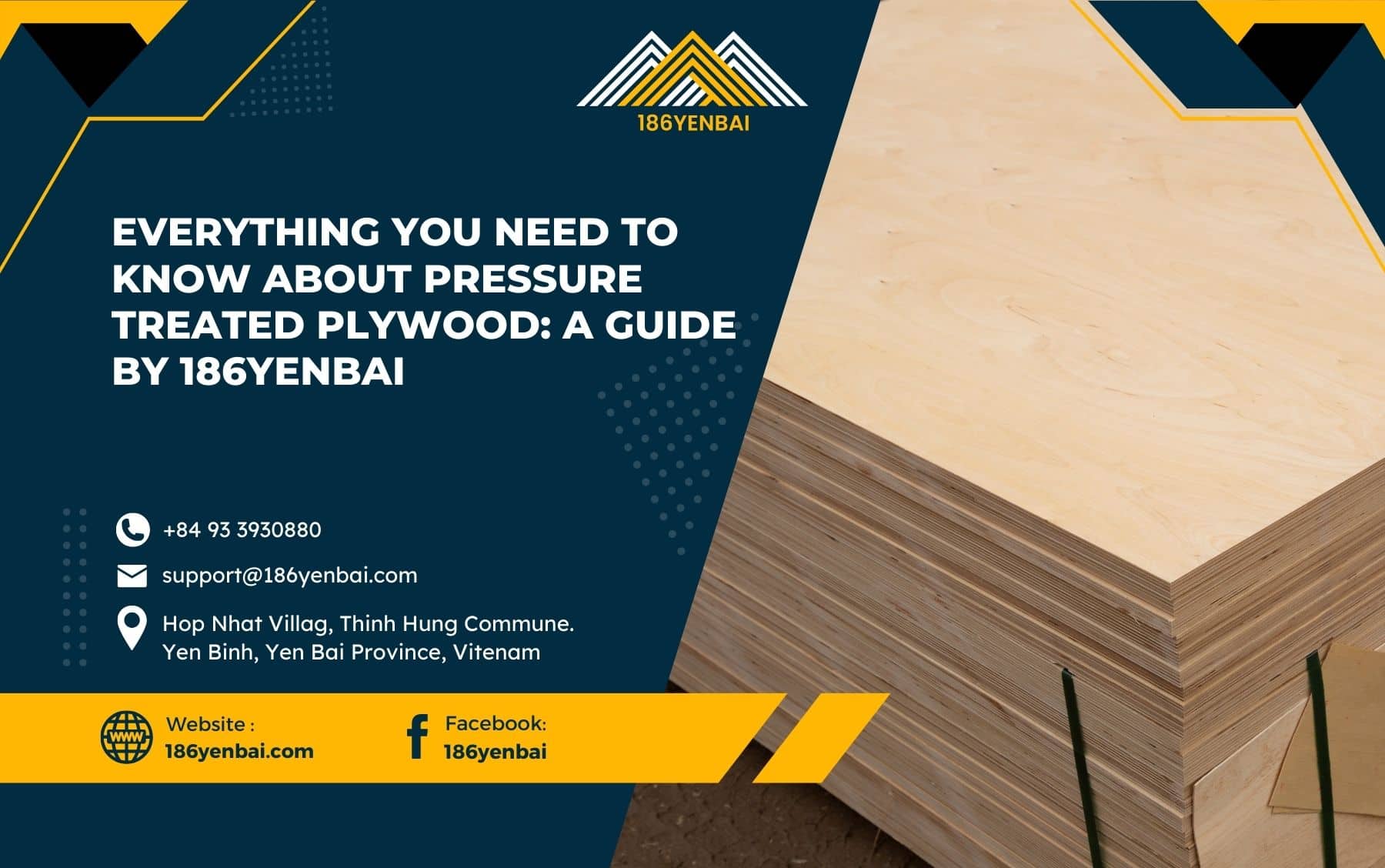
Plywood is an essential material in construction, woodworking, and even interior design due to its strength, versatility, and affordability. However, not all plywood is created equal. The two primary types often compared are marine plywood and regular plywood. While they may look similar, their composition, durability, and ideal applications differ significantly. For any project requiring reliable materials—especially those involving exposure to moisture—understanding these differences can make all the difference.

1. Understanding Plywood: An Overview
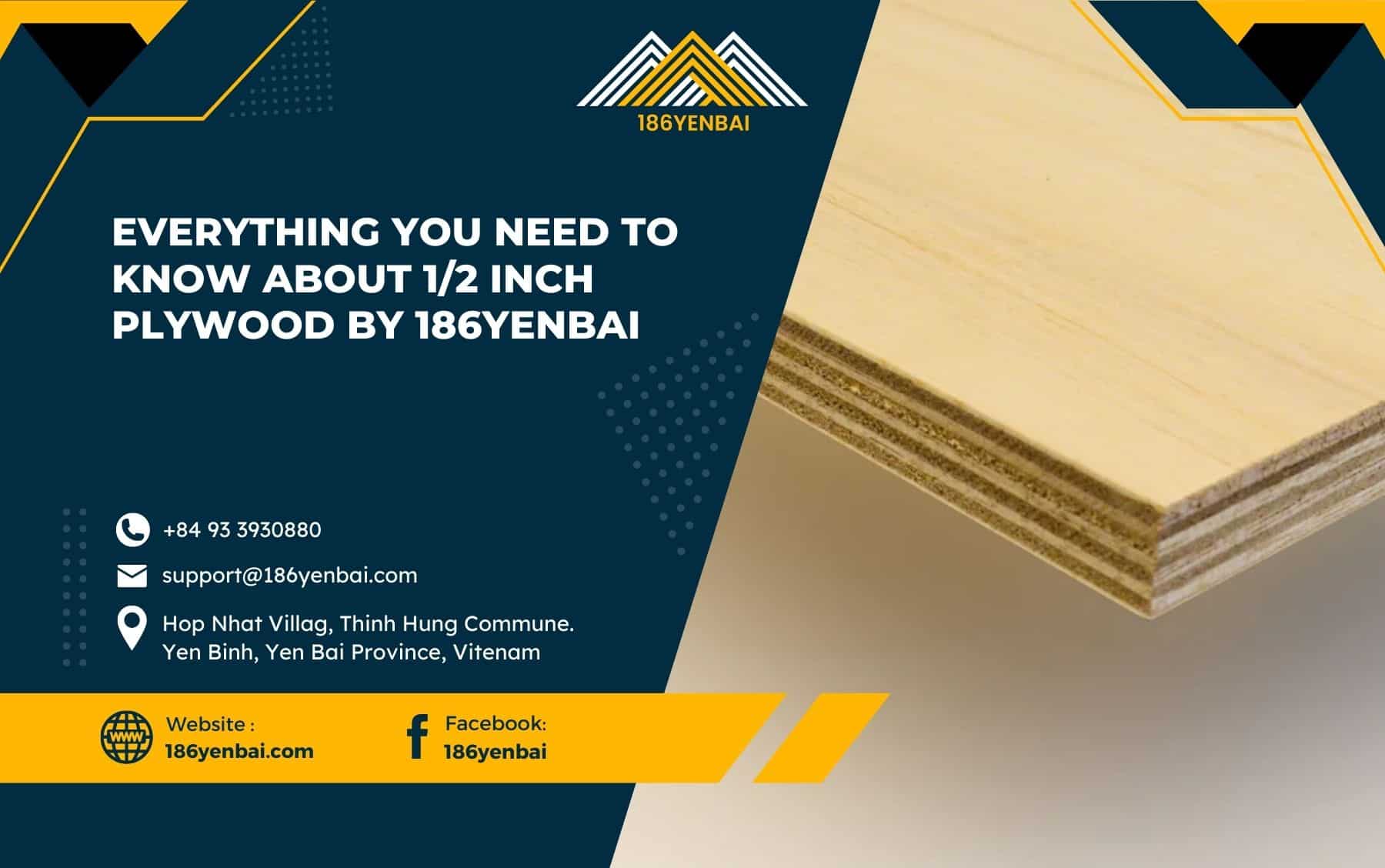
Plywood is created by gluing together multiple thin layers, or “plies,” of wood veneer, with the grain of each layer running at right angles to the next. This structure gives plywood its strength, flexibility, and resistance to splitting. Plywood is categorized into types based on factors such as wood species, glue type, thickness, and grade. These classifications help determine its suitability for various applications.
2. What is Marine Plywood?
Marine plywood is a premium type of plywood designed to withstand moisture and extreme weather conditions. Here are some core characteristics that set it apart:
- Water-Resistant Glue: Marine plywood is bonded with waterproof adhesive, making it highly resistant to water damage. This adhesive, often a phenolic resin, ensures the plies do not separate when exposed to water.
- High-Quality Veneers: Only the best wood veneers are used in marine plywood, and any knots or imperfections are minimized to reduce weak points.
- Durability: Marine plywood is more durable and resistant to warping, swelling, and other damage caused by water, humidity, and harsh environmental conditions.
- Compliance Standards: This type of plywood often meets stringent standards, such as British Standard BS 1088, to ensure quality for marine-grade applications.
Because of its durability, marine plywood is frequently used in environments where consistent exposure to water or humidity is unavoidable, such as boat building, docks, and outdoor structures.
3. What is Regular Plywood?
Regular plywood is a versatile building material suitable for a range of indoor and some outdoor applications but does not have the water resistance of marine plywood. Key characteristics include:
- Standard Adhesive: Regular plywood typically uses urea-formaldehyde-based adhesive, which does not offer the same level of water resistance as marine-grade adhesives.
- Veneer Quality: The quality of the veneers in regular plywood can vary significantly, and imperfections are more common.
- Applications: Regular plywood is suitable for general construction, cabinetry, and furniture, but it is not ideal for areas with high moisture exposure unless treated or coated.
4. Key Differences Between Marine and Regular Plywood

Here’s a closer look at the essential differences:
Water Resistance
- Marine Plywood: Uses waterproof adhesive and is constructed to resist moisture.
- Regular Plywood: Not water-resistant; prolonged exposure to water can cause it to delaminate or warp.
Material Quality
- Marine Plywood: Made from high-quality, knot-free veneers, leading to uniform strength.
- Regular Plywood: Veneers may contain imperfections and knots, affecting strength and durability.
Durability
- Marine Plywood: Withstands harsh environments and is less likely to warp or swell.
- Regular Plywood: Suitable for stable environments and indoor use but may deteriorate in moist conditions.
Cost
- Marine Plywood: Typically more expensive due to quality materials and construction.
- Regular Plywood: More budget-friendly, available in a variety of grades and thicknesses.
5. Applications for Marine Plywood vs. Regular Plywood
Each type of plywood is suited to specific applications based on its durability and water resistance:
- Marine Plywood: Ideal for boats, docks, bathrooms, kitchens, outdoor furniture, and other high-humidity areas.
- Regular Plywood: Best for cabinetry, indoor furniture, shelving, and wall paneling, as well as other interior construction projects where water exposure is limited.
6. Cost Comparison
Marine plywood’s quality and waterproof properties mean it generally comes at a higher price than regular plywood. However, the investment may be worth it for projects requiring enhanced durability and water resistance.
Estimated Price Differences
- Marine Plywood: Higher cost due to waterproof glue and higher-quality wood.
- Regular Plywood: More affordable and available in various grades to fit different budgets.
7. How to Choose the Right Type of Plywood for Your Project
Choosing between marine and regular plywood depends on several factors:
- Location and Exposure: For areas exposed to water or high humidity, marine plywood is recommended.
- Budget: Regular plywood is suitable if cost is a primary concern and the environment is stable and dry.
- Project Requirements: For high-strength, high-quality finishes, marine plywood is ideal; for more flexible, general-use applications, regular plywood may suffice.
8. Conclusion
When it comes to construction and woodworking, the type of plywood you choose can significantly affect the longevity and quality of your project. Marine plywood offers unparalleled durability in wet and humid conditions, making it the best choice for areas with moisture exposure. Regular plywood remains an excellent, versatile choice for many indoor applications. Understanding these distinctions helps ensure you choose the right material to meet both your project’s specifications and budget, maximizing the overall value and lifespan of your work.
For more information or inquiries about our high-quality plywood products, contact us at 186yenbai today to discuss how we can support your next construction or renovation project. Plywood Supplier
Phone: +84 93 3930880
Email: [email protected]
Facebook: https://www.facebook.com/186yenbai
Address: Hop Nhat Village, Thinh Hung Commune, Yen Binh, Yen Bai Province, Vietnam
Check out our other articles below:
Why High-Quality Plywood is the Ultimate Choice for Global Markets
High-Quality Plywood vs. Low-Quality Plywood: What’s the Difference?
5 Reasons Why High-Quality Plywood is the Best Choice for Home Renovations