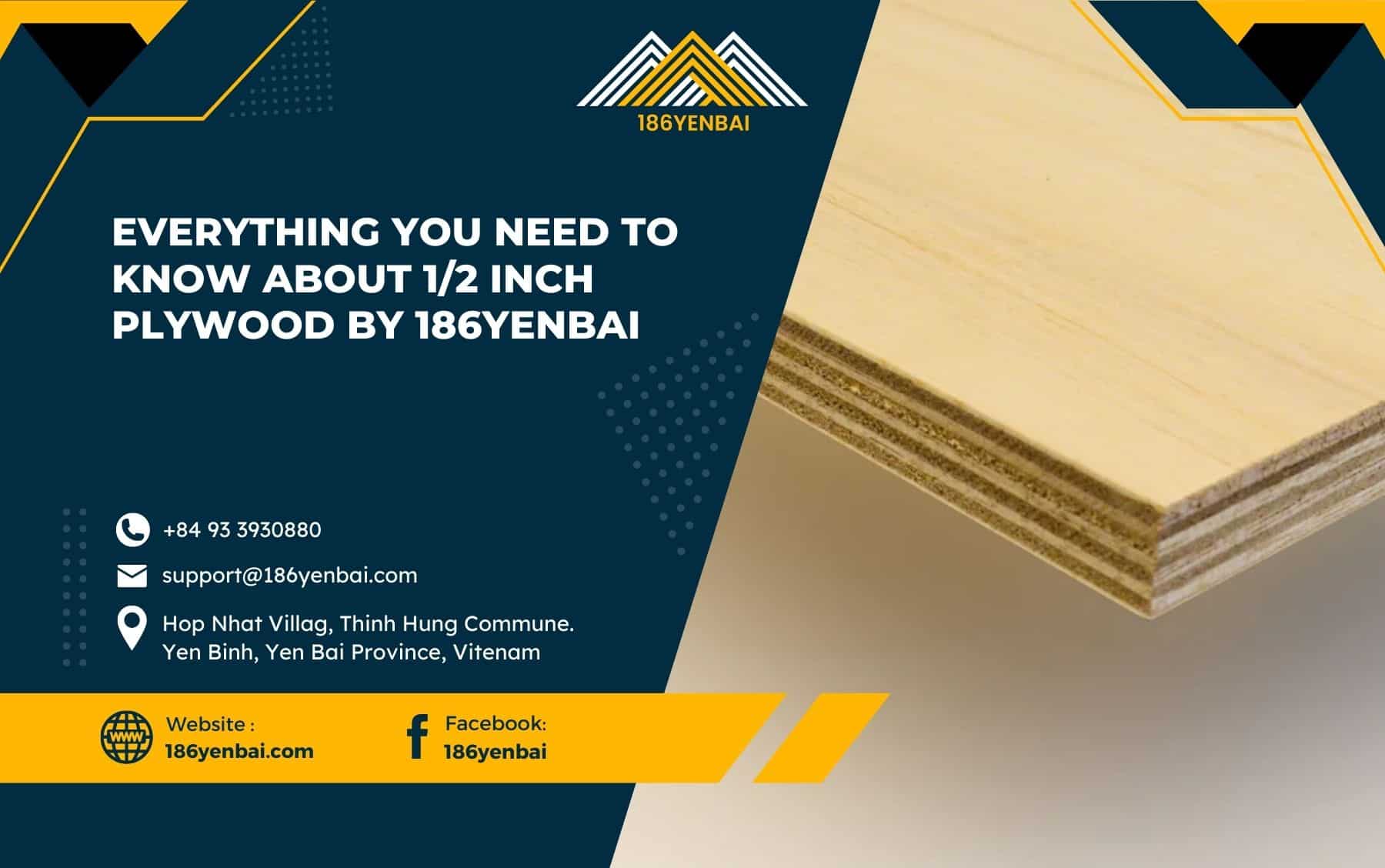
Essential Characteristics of Plywood: Strength, Flexibility, and More: Plywood is a fundamental material in construction, furniture-making, and woodcrafts, valued for its adaptability and strength. This engineered wood product is made by layering thin wood veneers, which are then bonded with strong adhesives. The layers are arranged with alternating grain directions, which creates plywood’s unique stability and strength. Plywood is available in both softwood and hardwood varieties and comes in different thicknesses, finishes, and grades to suit various applications.
Core Characteristics of Plywood
- Strength and Durability
Plywood’s strength stems from its laminated structure, which distributes the grain direction across layers. This cross-grain pattern enhances resistance to shearing forces, making plywood almost twice as resistant as comparable solid wood. Depending on its thickness and adhesive type, plywood can also withstand moisture and temperature fluctuations, making it suitable for applications like marine plywood or exterior-grade plywood used in outdoor structures. - Cost-Effectiveness
The cost of plywood is generally lower than solid wood due to its composition, which uses wood chips and less desirable tree sections that cannot be used for full lumber. This makes it ideal for large-scale projects in need of a durable, affordable material. - Dimensional Stability
Plywood’s alternating grain structure minimizes the wood’s natural tendencies to expand or contract with changes in humidity, resulting in increased resistance to warping and shrinking. This stability is particularly useful in construction and furniture applications where environmental changes might impact material performance. - Flexibility and Versatility
One of the standout features of plywood is its versatility. As a manufactured product, plywood can be produced in a wide range of thicknesses, sizes, and finishes. Some varieties come with a decorative veneer, allowing for seamless finishing and staining. Additionally, specialty plywood such as flexible plywood (bendy plywood) is designed to accommodate curves and complex shapes, expanding its application in interior design and intricate woodworking.
By understanding these characteristics, builders, designers, and woodworkers can choose the right type of plywood to meet specific project demands, ensuring durability, stability, and aesthetic appeal.
If you’re interested in additional tips or have specific questions about plywood sealing, feel free to ask!
Contact Us for Quality Plywood Solutions
For top-quality plywood solutions tailored to your specific needs, contact 186yenbai today.
- Phone: +84 93 3930880
- Email: [email protected]
- Facebook: Viet Nam Plywood – 186YenBai
- Address: Hop Nhat Village, Thinh Hung Commune, Yen Binh, Yen Bai Province, Vietnam
Explore our full range of wood and engineered lumber products for your next construction or design project!
Check out our other articles below:
Why High-Quality Plywood is the Ultimate Choice for Global Markets
High-Quality Plywood vs. Low-Quality Plywood: What’s the Difference?