Different Types of Wood? Wood has been a fundamental resource throughout human history, shaping our homes, furniture, and even art. Its versatility, beauty, and workability make it a preferred material for various applications, from construction to decorative art. With so many types of wood available, each with unique characteristics, it can be challenging to choose the right type for your needs. This guide, provided by 186Yenbai, a leader in sustainable plywood production, will explore the main types of wood, breaking them down into hardwoods, softwoods, and engineered wood, along with their uses, benefits, and drawbacks.

The Three Primary Categories of Wood
- Hardwood – Derived from deciduous trees, hardwoods are known for their durability and strength. They are typically used in high-quality furniture, flooring, and construction.
- Softwood – Sourced from coniferous trees, softwoods are generally lighter and grow faster. They are often used in framing, flooring, and utility purposes.

3. Engineered Wood – Created by combining wood scraps, sawdust, or veneers with adhesives, engineered wood offers affordability, stability, and versatility.
Hardwoods – Types and Characteristics
Hardwoods are prized for their density, durability, and intricate grain patterns, making them ideal for premium projects.
1. Oak
Oak is a classic hardwood, known for its strength, versatility, and distinctive grain. It is highly resistant to rot and decay, making it a favorite for furniture, flooring, and cabinetry.

- Pros: Durable, attractive grain, rot-resistant
- Cons: Can be expensive, prone to warping
Explore More: Plywood Edge Banding, Plywood Kitchen Cabinets, Burnt Plywood Floor
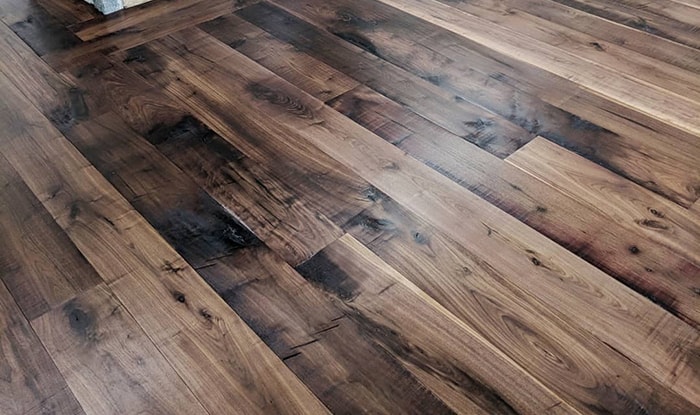
2. Walnut
Walnut is a luxurious hardwood with a rich, dark color and intricate grain, perfect for high-end furniture and cabinetry.
- Pros: Beautiful color, smooth texture, long-lasting
- Cons: Expensive, susceptible to scratches
Further Reading: Walnut Plywood, White Oak Plywood
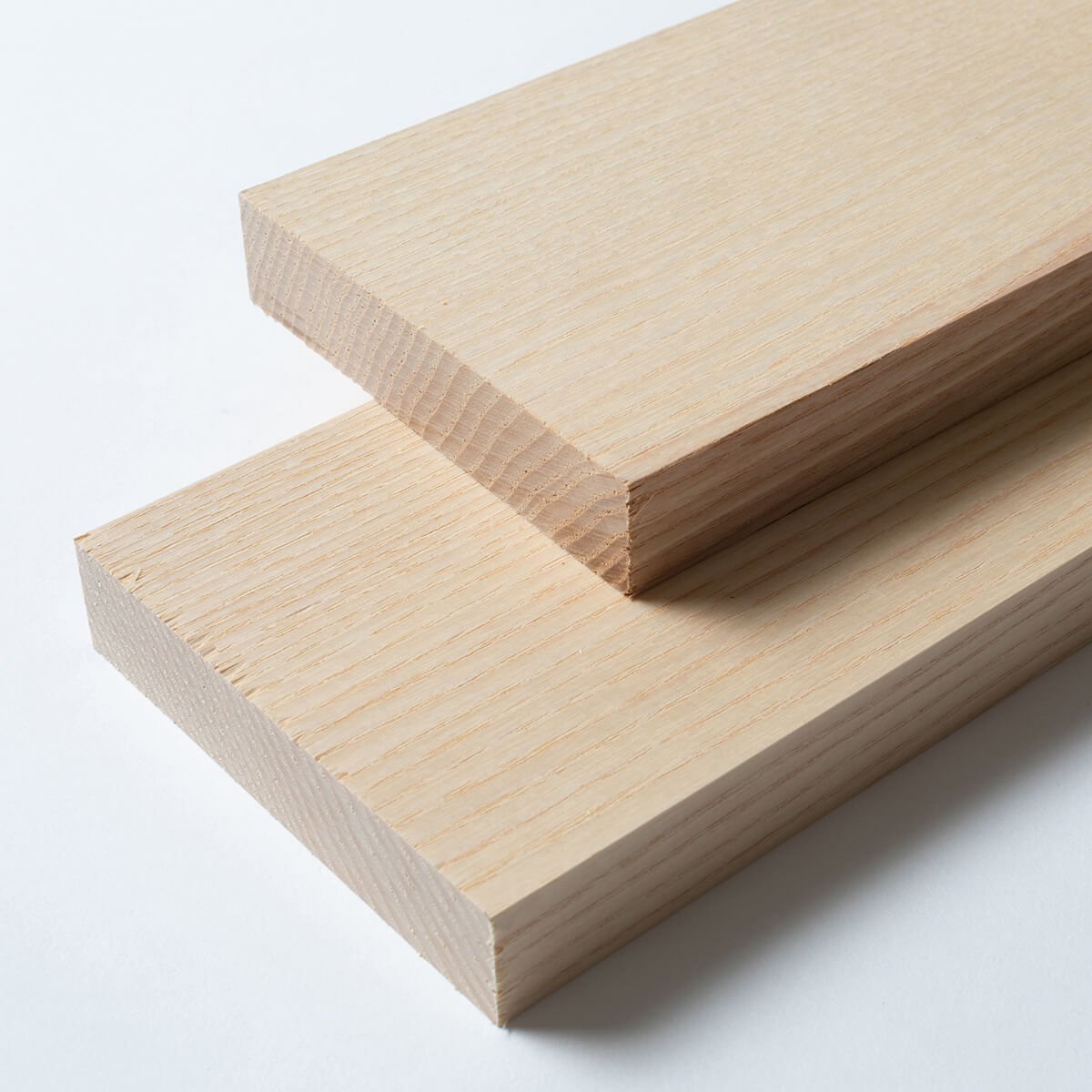
3. Ash
With its light color and open grain, Ash is a flexible, moderately priced hardwood suitable for furniture, cabinets, and sports equipment.
- Pros: Flexible, durable, attractive grain
- Cons: Can warp, less resistant to decay
4. Mahogany
Known for its deep, reddish-brown hue, Mahogany is revered for its beauty and durability, though unsustainable logging has made it rare.
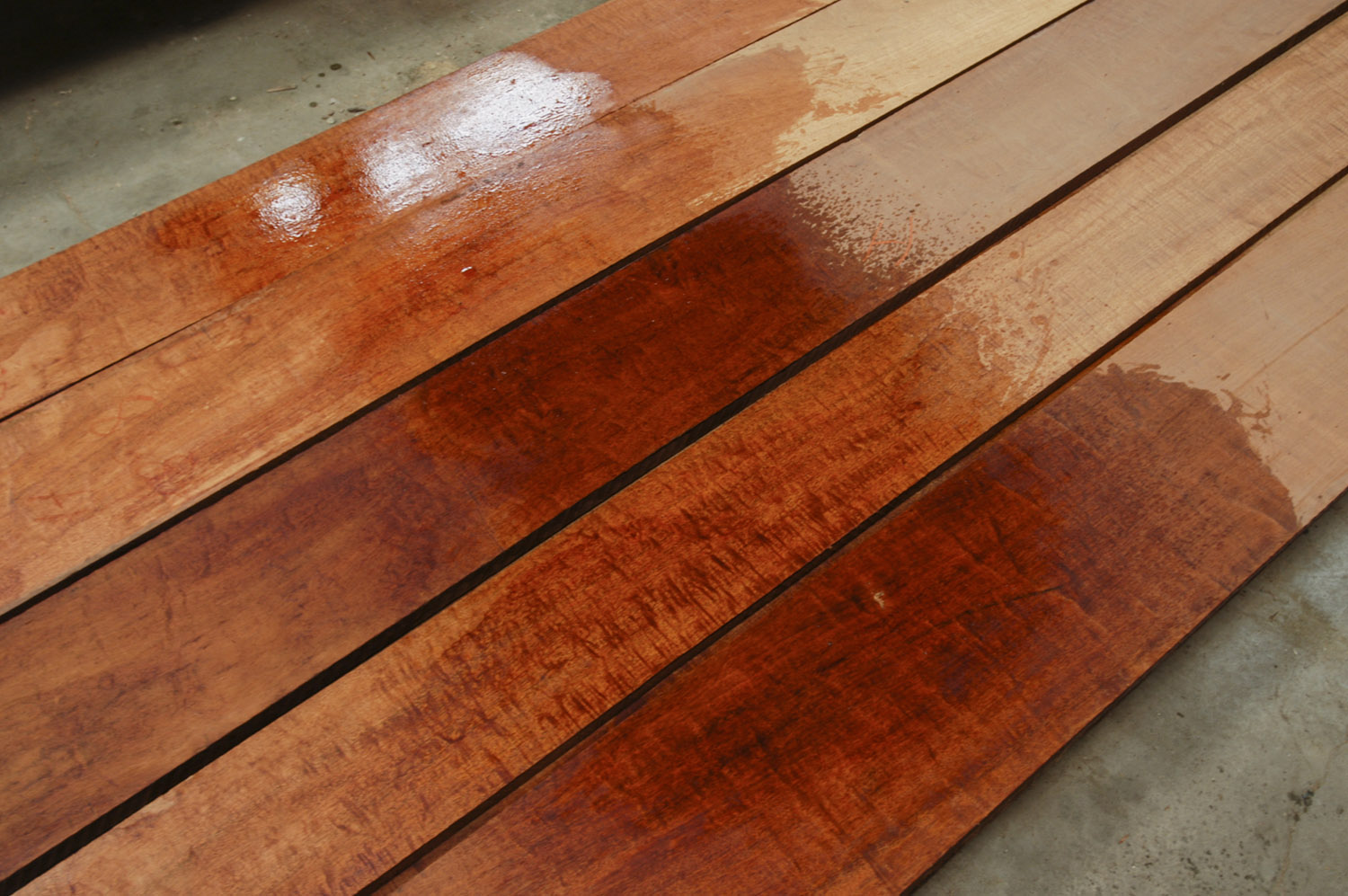
- Pros: Attractive grain, stable, durable
- Cons: Expensive, heavy
5. Maple
Maple is a dense, durable wood often used in furniture, flooring, and butcher blocks. Its light color and ability to accept stains make it versatile.
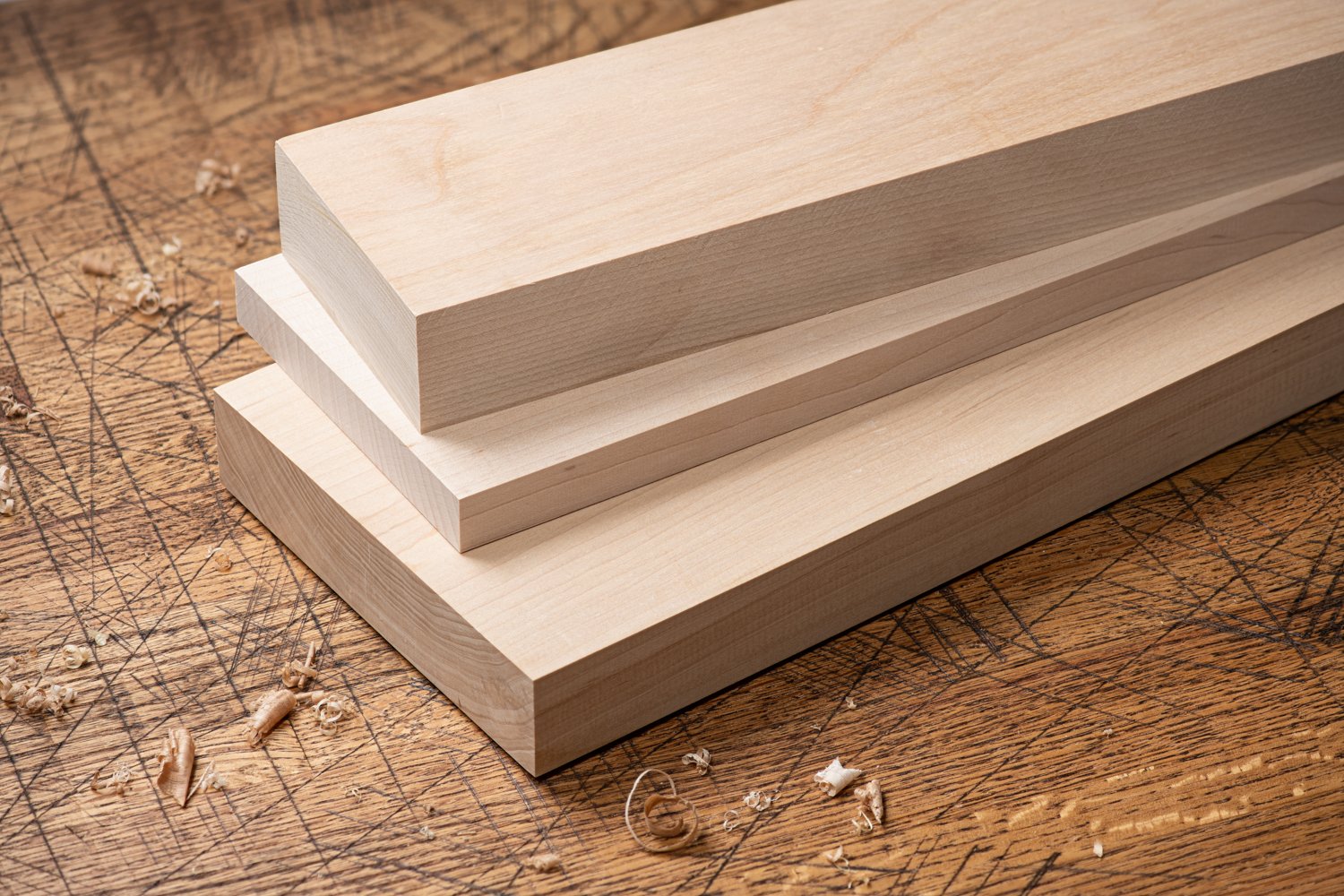
- Pros: Strong, stable, versatile
- Cons: Difficult to stain, heavy
Softwoods – Types and Characteristics
Softwoods are widely used in construction due to their lightweight nature and ease of handling.
1. Pine
One of the most common types, Pine is affordable and versatile, used in construction, furniture, and DIY projects.
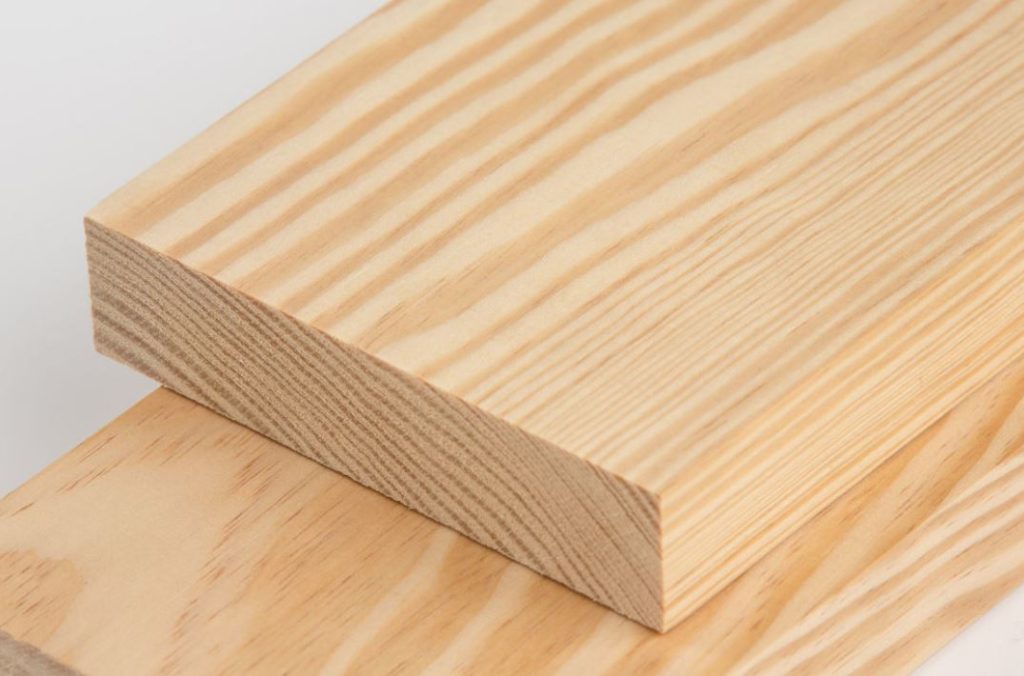
- Pros: Budget-friendly, lightweight, easy to work with
- Cons: Prone to dents, color variations
2. Cedar
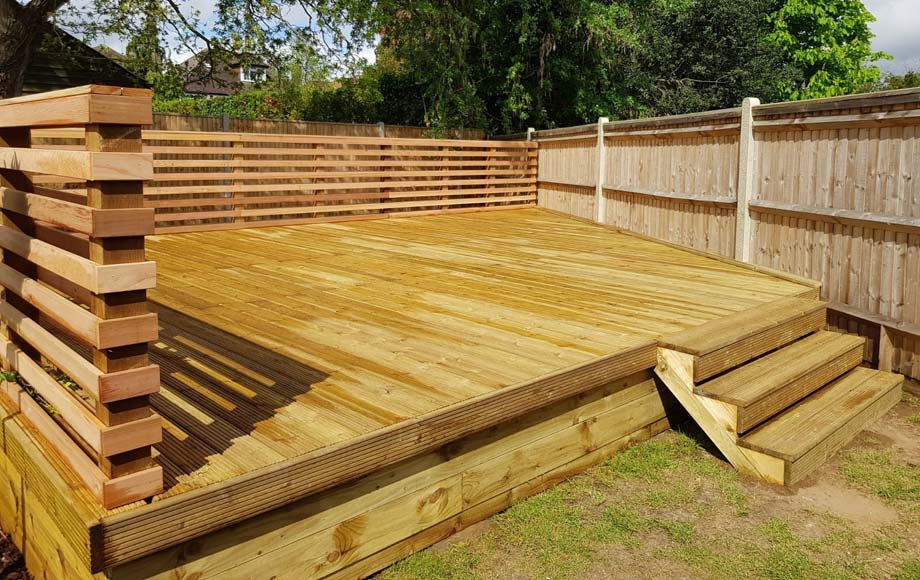
Cedar is naturally weather-resistant and insect-repellent, making it ideal for outdoor furniture and structures.
- Pros: Aromatic, weather-resistant, lightweight
- Cons: Soft, can discolor over time
3. Douglas Fir
A strong and durable softwood, Douglas Fir is popular for construction, especially for framing and decking.
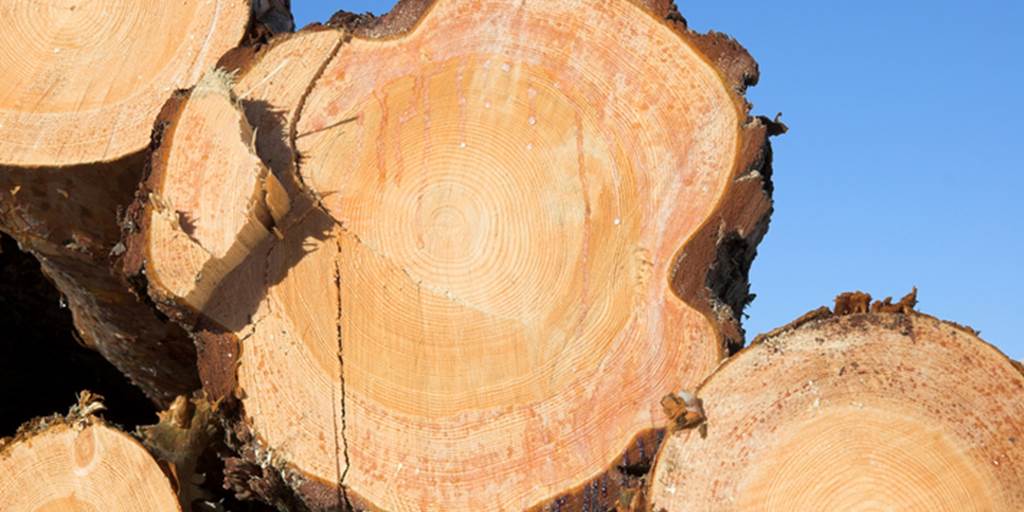
- Pros: Strong, affordable, easy to work with
- Cons: Susceptible to splintering, less durable outdoors
4. Redwood
Redwood is known for its beautiful color and natural resistance to decay, making it suitable for outdoor furniture.
- Pros: Attractive, decay-resistant, lightweight
- Cons: Expensive, can darken over time
Engineered Wood – Types and Benefits
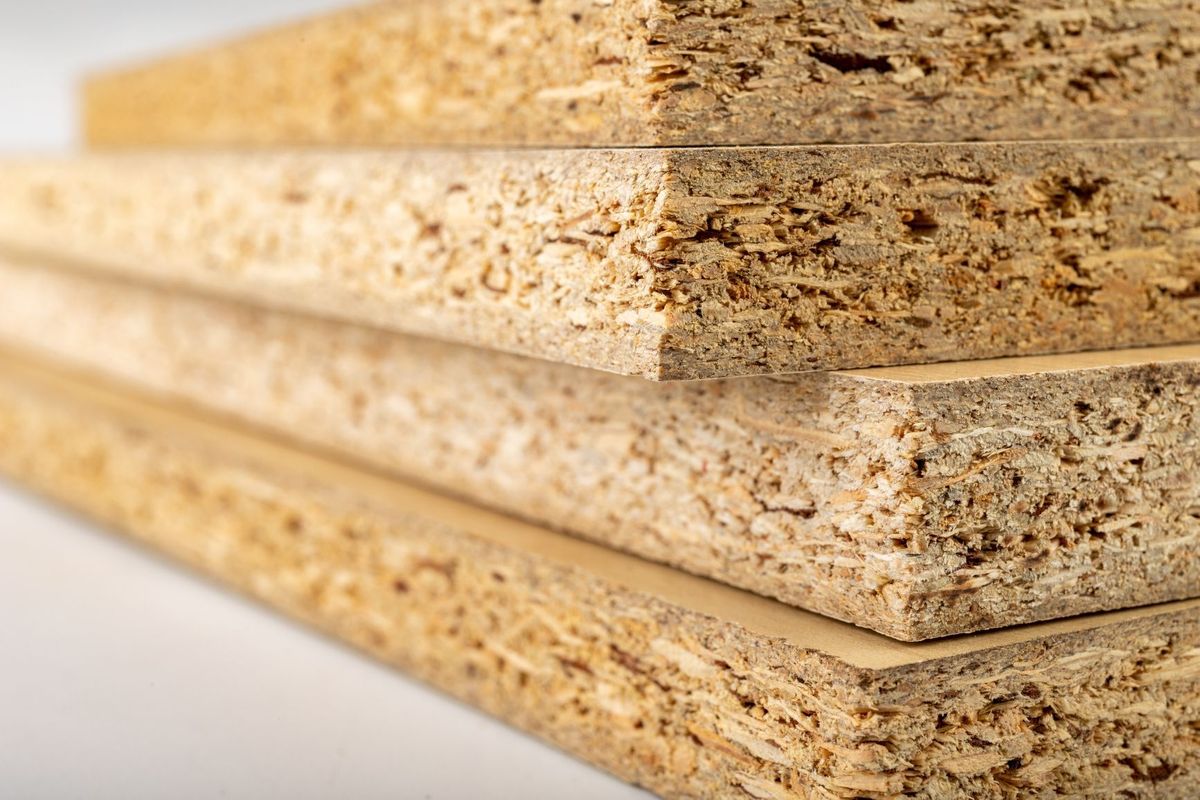
Engineered wood is a sustainable option, crafted by combining wood products with adhesives. It is budget-friendly, stable, and suitable for various applications.
1. Plywood
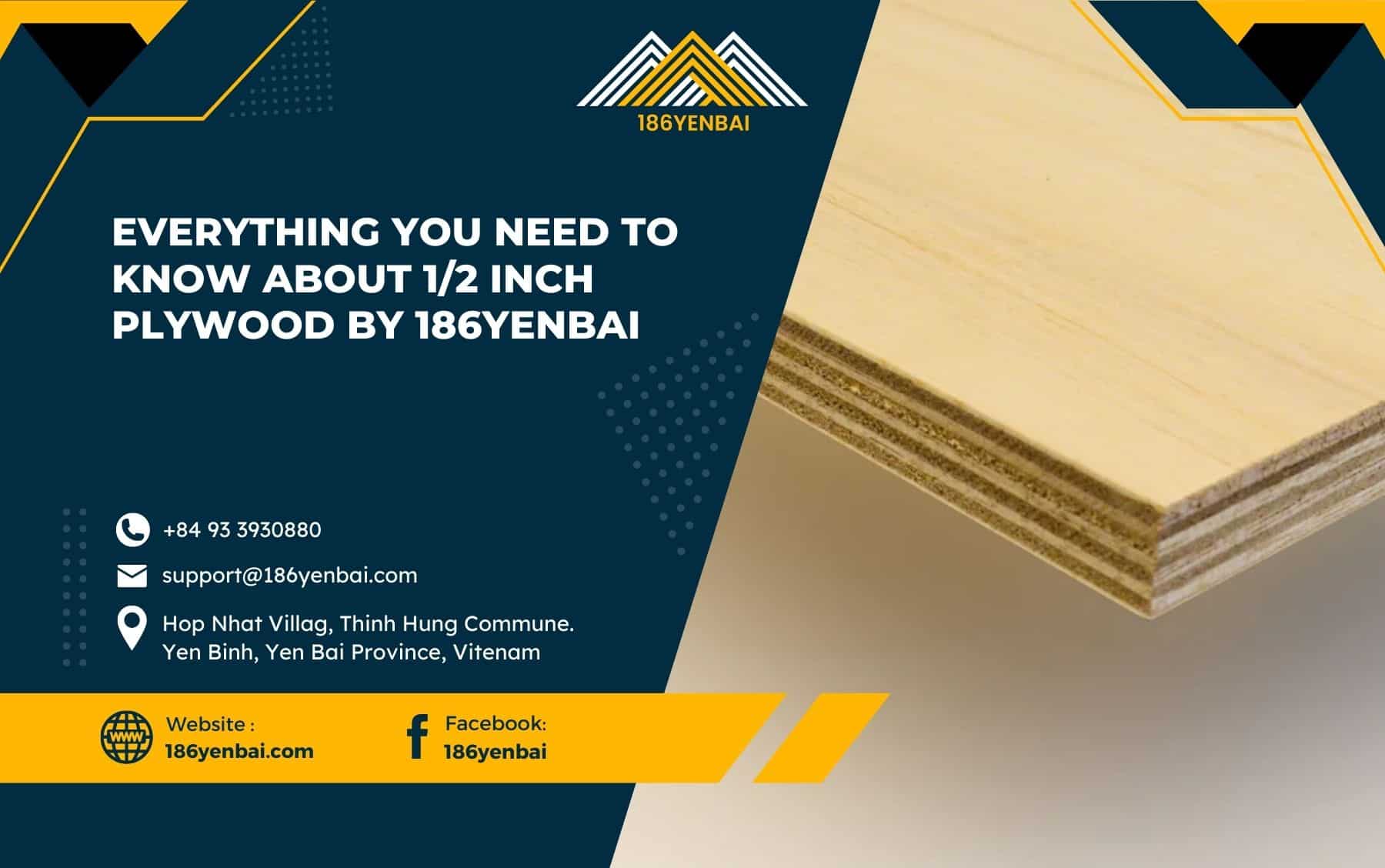
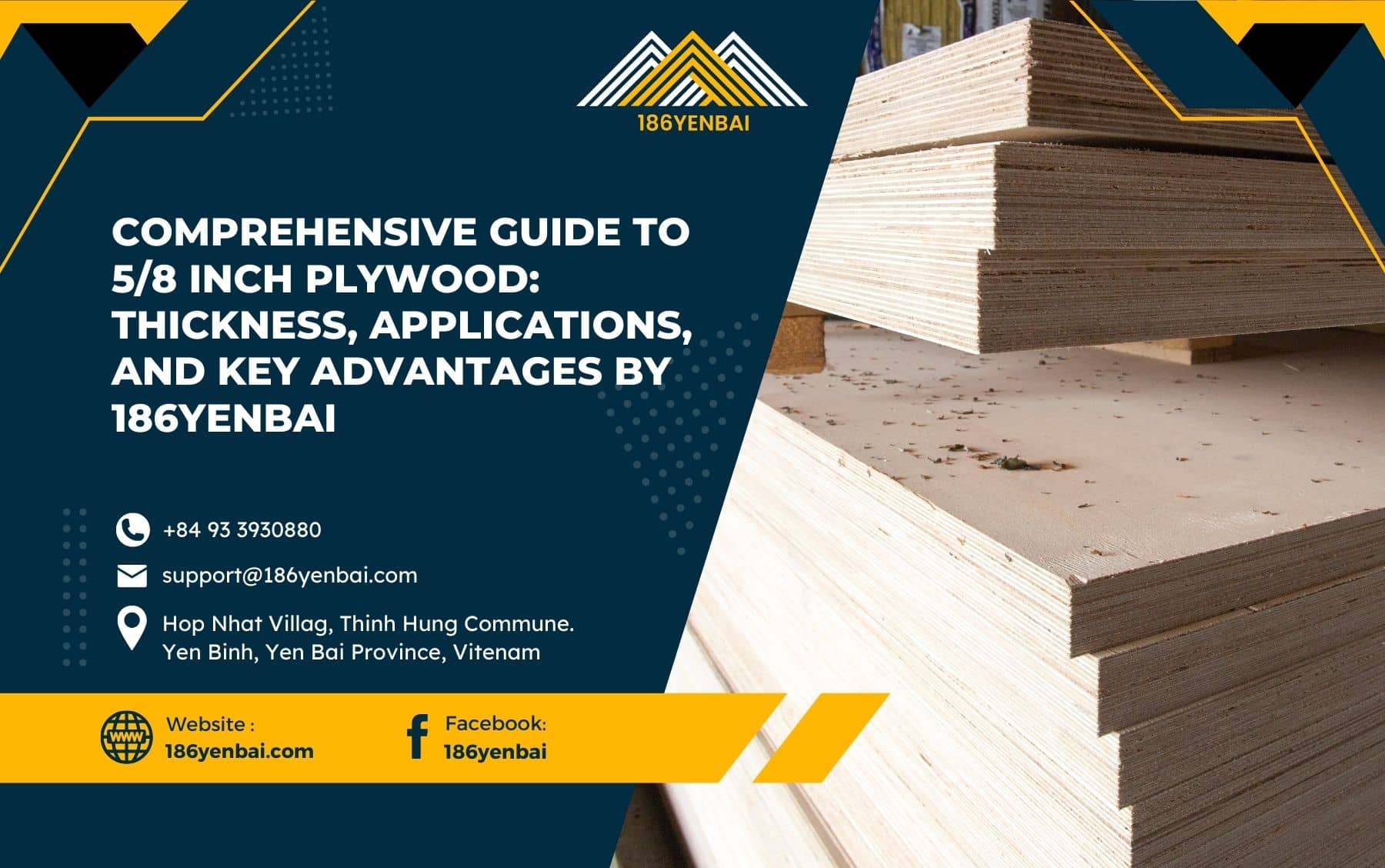
Plywood is one of the most popular engineered woods, used for furniture, cabinetry, and construction. Made by gluing layers of veneer at right angles, it offers strength and resistance to warping.
- Pros: Strong, versatile, cost-effective
- Cons: Edges can splinter, prone to water damage if untreated
Discover: Marine Plywood, Film Faced Plywood
2. MDF (Medium-Density Fibreboard)
MDF is a dense, smooth wood product commonly used in cabinetry and interior projects due to its easy workability and smooth surface.
- Pros: Smooth surface, affordable, easy to cut
- Cons: Not water-resistant, emits formaldehyde
3. Particle Board
Made from wood chips and sawdust, Particle Board is inexpensive and suitable for low-cost furniture.
- Pros: Affordable, lightweight
- Cons: Less durable, susceptible to moisture damage
4. Veneer
Veneer refers to thin slices of wood applied to furniture for a high-end look without the cost of solid wood.
- Pros: Aesthetic appeal, cost-effective
- Cons: Requires a sturdy substrate, limited strength
Choosing the Right Wood for Your Project
When selecting wood, consider factors like durability, appearance, cost, and environmental impact. For instance:
- Furniture and Flooring: Hardwoods like Oak, Walnut, and Maple are ideal for high-traffic areas.
- Outdoor Projects: Cedar and Redwood offer natural weather resistance.
- Budget-Friendly Choices: Pine and engineered woods like MDF and Particle Board are suitable for less intensive applications.
Related Content: Different Types of Plywood and Their Uses
FAQs About Different Types of Wood
How many types of wood are there?
There are over 100,000 wood species globally, but they are generally divided into hardwoods and softwoods.
What is the most beautiful wood?
Some of the most beautiful woods include Mahogany, Cherry, Teak, and Maple, each with distinct grain patterns and color variations.
What is the best type of wood?
The best wood depends on the intended use. For durability, Oak and Maple are excellent choices. For outdoor applications, Teak and Cedar excel.
Conclusion
Understanding the different types of wood can greatly enhance your ability to select the best material for your needs. Whether you’re crafting a piece of furniture, building a deck, or enhancing your home’s interior, choosing the right type of wood is essential. 186Yenbai offers a wide range of premium wood products, from natural hardwoods and softwoods to engineered plywood, each meeting rigorous quality standards and sustainability practices. With this knowledge, you can make informed decisions and create lasting, beautiful projects.
By selecting the right type of wood, you are investing in a material that not only serves a purpose but also contributes to the beauty and longevity of your creations.
If you’re ready to elevate your home renovation project, don’t hesitate to contact us at 186yenbai. Let us help you choose the right high-quality plywood that meets your needs and transforms your home into a beautiful and functional space.
Phone: +84 93 3930880
Email: support@186yenbai.com
Facebook: https://www.facebook.com
Address: FACTORY : Hop Nhat Villag,Thinh Hung Commune. Yen Binh,
Yen Bai Province, Vietnam
HANOI OFFICE : 32 Dai Tu Street, Dai Kim Ward Hoang Mai District,
Hanoi,Vietnam
Check out our other articles below:
Why High-Quality Plywood is the Ultimate Choice for Global Markets
High-Quality Plywood vs. Low-Quality Plywood: What’s the Difference?