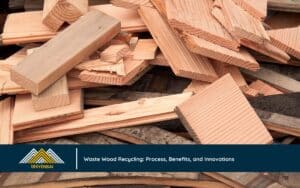
Waste wood recycling has gained prominence as industries, consumers, and governments seek sustainable solutions to reduce environmental impact. Recycling waste wood not only conserves resources but also provides innovative pathways for energy production, building materials, and more.
Key Points:
- Understanding what constitutes waste wood
- Types of recyclable waste wood and classifications
- Importance of waste wood recycling in environmental conservation

Table of Contents
ToggleWhat is Waste Wood and Why is it Valuable?
Waste wood includes any discarded wood or wood-based products that have reached the end of their lifecycle, such as old pallets, furniture, and construction debris. As demand for sustainable products rises, waste wood has become a valuable resource for various applications, from renewable energy to mulch production.
Types of Waste Wood:
- Grade A: Clean, untreated wood suitable for animal bedding and mulch.
- Grade B: Often derived from construction, suitable for panel boards.
- Grade C: Lower-grade wood for biomass fuel.
- Grade D: Treated wood requiring careful disposal due to hazardous chemicals.
Related Reading: What Is Fiberboard Material? Differences of MDF and HDF
The Waste Wood Recycling Process

The process of recycling waste wood involves several steps, each essential to creating usable materials from discarded wood.
1. Collection and Quality Control
Wood waste is collected from diverse sources such as construction sites, industrial facilities, and households. Quality control is essential at this stage to classify the wood accurately and prepare it for appropriate processing.
2. Sorting and Contaminant Removal
Collected wood is sorted by type and quality. Contaminants like nails, screws, and paint residues are removed to ensure a high-quality end product. Advanced sorting systems can automate this process, streamlining efficiency.
3. Primary and Secondary Shredding
The wood is then shredded into smaller pieces, which can be repurposed as mulch, fuel, or processed further into wood panels. The final shredding step produces fine wood chips, suitable for various industrial applications.
4. Screening and Separation
Screening ensures a consistent material quality by separating larger pieces from finer mulch or wood dust. This material is then ready for use in applications like organic compost, animal bedding, or biomass fuel.
Further Insights: What You Need to Know About Hardwood Plywood
Benefits of Waste Wood Recycling
Recycling wood waste offers a range of benefits, from environmental conservation to cost savings and new economic opportunities.
1. Environmental Impact
Recycling wood reduces the need for new timber, preserving forests and reducing deforestation. It also cuts down on the energy and resources required for processing fresh wood, lowering overall carbon emissions.
2. Energy Savings
Recycled wood is often used in place of fresh wood for energy generation, significantly reducing the demand for fossil fuels. Biomass energy derived from waste wood is renewable, helping mitigate climate change.
3. Economic Opportunities
Recycled wood can be sold as raw material for manufacturing or as biomass fuel, opening up new revenue streams. Additionally, using recycled wood in place of new wood can lower production costs and support local businesses in producing eco-friendly products.
Read More: What’s the Ideal Subfloor Thickness for Maximum Insulation?
Innovations in Waste Wood Recycling
Recent innovations have significantly improved the efficiency and versatility of waste wood recycling, expanding its applications across multiple industries.
1. Advanced Sorting and Shredding Technology
Technologies like AI-driven sorting systems and high-precision shredders are automating the recycling process. These advancements increase the purity and quality of recycled wood, enabling its use in higher-value applications.
2. Biomass Energy Production
Biomass energy from waste wood is an expanding field. Many facilities are now using advanced boilers that burn waste wood to generate electricity, offering a clean energy source and reducing landfill waste.
3. Biochar Production for Soil Improvement
Biochar, a type of charcoal made from waste wood, is increasingly used in agriculture to enhance soil quality. By recycling low-grade wood into biochar, companies create a product that improves soil health and sequesters carbon.
Common Products Made from Waste Wood
Recycling wood offers practical applications, from DIY projects to large-scale industrial products. Some popular products include:
- Wood Briquettes: Compressed wood blocks used as fuel.
- Mulch and Compost: For landscaping and soil enrichment.
- Biochar: An agricultural soil amendment.
- Recycled Plywood Panels: For construction and interior design.
- Furniture and Décor: Scrap wood can be repurposed into unique, eco-friendly furniture.
Explore Creative Projects: Turn scrap wood into stylish and functional items.
Challenges in Waste Wood Recycling
Despite its many advantages, wood recycling faces some challenges:
- Contamination: Removing paint, chemicals, and metal from wood is labor-intensive and requires advanced machinery.
- Hazardous Waste Management: Some wood products contain hazardous chemicals and require special handling to ensure safe recycling.
- Market Demand: While demand for recycled wood is growing, it fluctuates and impacts profitability for recycling companies.
Conclusion: The Future of Waste Wood Recycling
Waste wood recycling presents a sustainable alternative to traditional wood disposal and opens up new possibilities for creating environmentally friendly products. As technology advances, the efficiency and scope of wood recycling continue to grow, providing economic and environmental benefits for businesses and communities alike.
For more insights into sustainable wood products and updates on the latest in wood recycling, follow us on Facebook.
Contact Us for Quality Plywood Solutions
For top-quality plywood solutions tailored to your specific needs, contact 186yenbai today.
- Phone: +84 93 3930880
- Email: [email protected]
- Facebook: Viet Nam Plywood – 186YenBai
- Address: Hop Nhat Village, Thinh Hung Commune, Yen Binh, Yen Bai Province, Vietnam
Explore our full range of wood and engineered lumber products for your next construction or design project!