Hardwood plywood is a versatile, strong, and reliable material widely used in furniture manufacturing, cabinetry, interior design, and construction. This guide will cover everything you need to know about hardwood plywood, including its advantages, grades, core options, uses, and how to choose the right type. This knowledge will equip you to make the best choice for your projects, whether you’re building furniture or updating cabinetry.

For a deeper dive into the impact of plywood on the industry, check out How Vietnam Plywood Manufacturers are Shaping the Global Market and learn how plywood production in Vietnam is transforming global trends.
1. What is Hardwood Plywood?
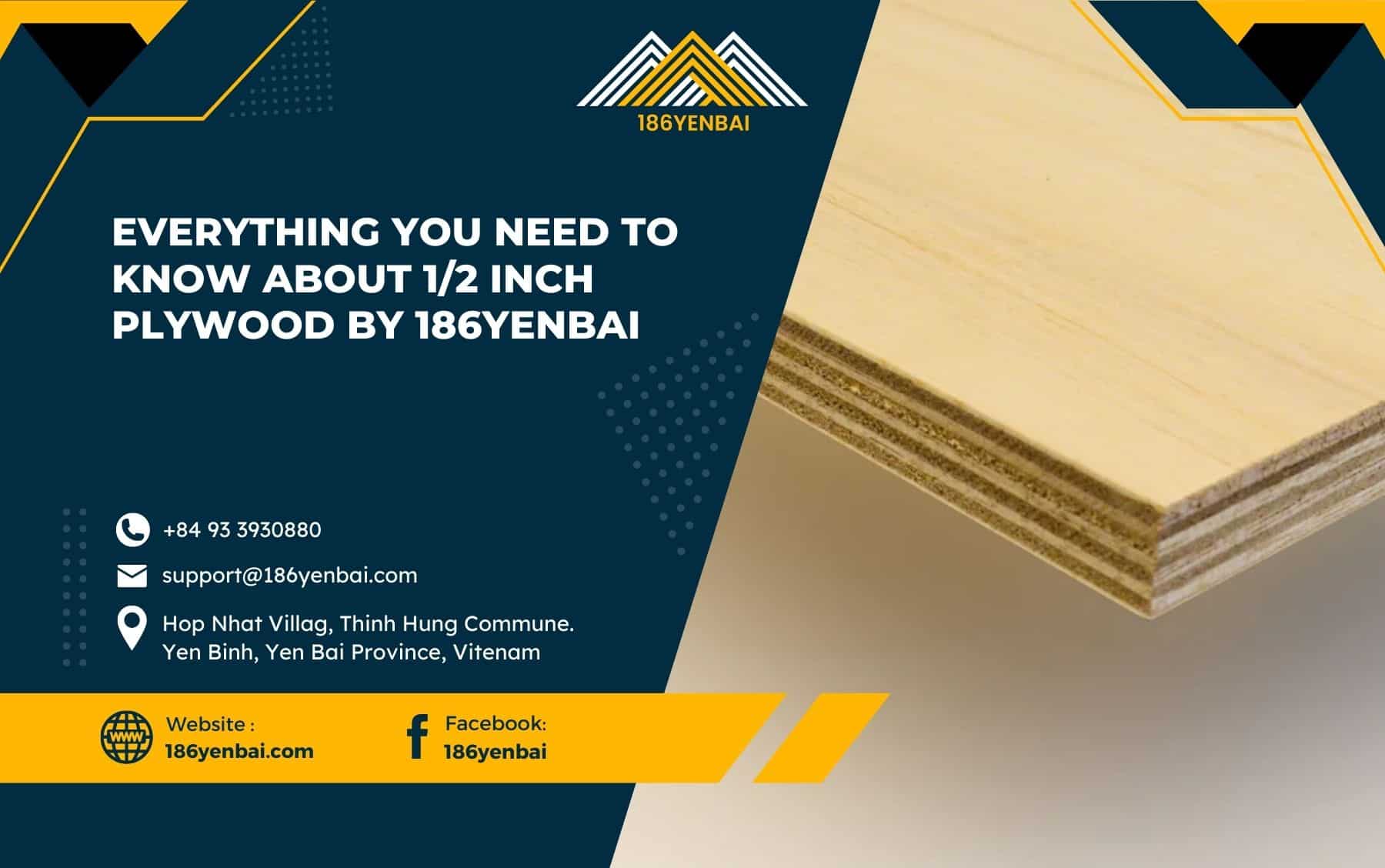
Hardwood plywood is an engineered wood product made by bonding multiple layers of wood veneer at perpendicular angles to enhance stability and strength. The outermost layers, or “face” and “back” veneers, are typically crafted from high-quality hardwoods like oak, maple, or birch, which provide an attractive, durable finish.
Each layer’s grain is positioned at a 90-degree angle to the previous layer, maximizing the plywood’s resistance to warping, shrinking, and cracking. This structure makes hardwood plywood ideal for projects requiring a blend of durability, visual appeal, and cost-effectiveness.
2. Advantages of Hardwood Plywood
- Stability: Hardwood plywood’s cross-laminated structure minimizes movement due to humidity and temperature changes, enhancing dimensional stability.
- Strength: Despite being lighter than solid wood, hardwood plywood has excellent structural integrity, making it ideal for heavy-use applications.
- Versatility: Available in various thicknesses, finishes, and wood species, hardwood plywood adapts to a wide range of project requirements.
- Cost-Efficiency: Hardwood plywood is often more affordable than solid hardwood, making it a cost-effective option, especially for extensive projects like cabinetry or paneling.
- Eco-Friendly: Engineered plywood makes efficient use of timber resources, which reduces waste compared to using solid wood alone.
For more on plywood’s role in environmentally-friendly construction, see Why High-Quality Plywood is the Ultimate Choice for Global Markets.
3. Hardwood Plywood Grades
Hardwood plywood grading ranges from A to D for its face veneer and 1 to 4 for its back veneer. Here’s a breakdown of the most common grades:
- A1, A2 Grades: Top-quality grades that are smooth and free of visible knots, ideal for furniture or cabinetry where both sides are exposed.
- B1, B2 Grades: Slightly lower in quality, yet still suited for visible applications.
- C and D Grades: With more knots and visible imperfections, these grades are often used in structural applications where appearance is secondary.
4. Types of Plywood Cores
The plywood core affects the product’s performance, impacting weight, strength, and screw-holding capability. Here are the main core types for hardwood plywood:
a. Veneer Core
This core type, made from layers of wood veneer, is valued for strength and durability. Veneer core plywood is relatively lightweight, holds screws well, and is ideal for structural applications.
b. Particleboard Core (PBC)
Made from small wood particles bonded with resin, particleboard core plywood offers a uniform, smooth surface suitable for veneer application. It’s a cost-effective but less durable choice, making it best for non-structural applications.
c. Medium-Density Fiberboard (MDF) Core
MDF core is crafted from fine wood fibers, producing a void-free surface perfect for veneering. Although MDF core is heavy, it provides excellent stability, and is often used in cabinetry or furniture.
d. Combination Core
Combination core plywood combines veneer layers with MDF or particleboard to achieve a product that holds screws well and offers a smooth, stable surface. This option is commonly used for high-end cabinetry or furniture.
For more information on quality distinctions in plywood, you might find High-Quality Plywood vs. Low-Quality Plywood: What’s the Difference? insightful.

5. Applications of Hardwood Plywood
Hardwood plywood’s adaptability makes it ideal for many uses, including:
- Furniture Making: Stability and aesthetics make it perfect for durable, stylish furniture.
- Cabinetry: Its stability and smooth surface finish make it excellent for kitchen and bathroom cabinets.
- Wall Paneling: Decorative wall panels add warmth and texture to interiors, often using plywood.
- Flooring: Higher-grade plywood works well as a flooring underlayment, providing a strong base for floor coverings.
- Musical Instruments: Due to its acoustic properties, hardwood plywood is often used in crafting instruments, including pianos and guitars.
For tips on choosing the best plywood for home projects, visit 5 Reasons Why High-Quality Plywood is the Best Choice for Home Renovations.
6. Comparing Hardwood Plywood with Other Materials
When choosing materials, it’s helpful to understand how hardwood plywood compares to alternatives like solid wood, particleboard, and MDF.
- Solid Wood: While solid wood offers a natural look, it’s more susceptible to warping and tends to be more expensive.
- Particleboard: This is a low-cost alternative but has limited durability and strength, making it suitable for lightweight applications.
- MDF: MDF provides a smooth surface ideal for painting, but it’s heavier and not as structurally sound as hardwood plywood.
7. How to Choose Hardwood Plywood
Consider these factors when selecting hardwood plywood:
- Intended Use: For structural applications, choose high-grade veneer core plywood. For interior finishes, MDF or combination cores may be more appropriate.
- Grade: The grade you select depends on how visible the material will be—choose A1 or A2 for visible surfaces and lower grades for hidden areas.
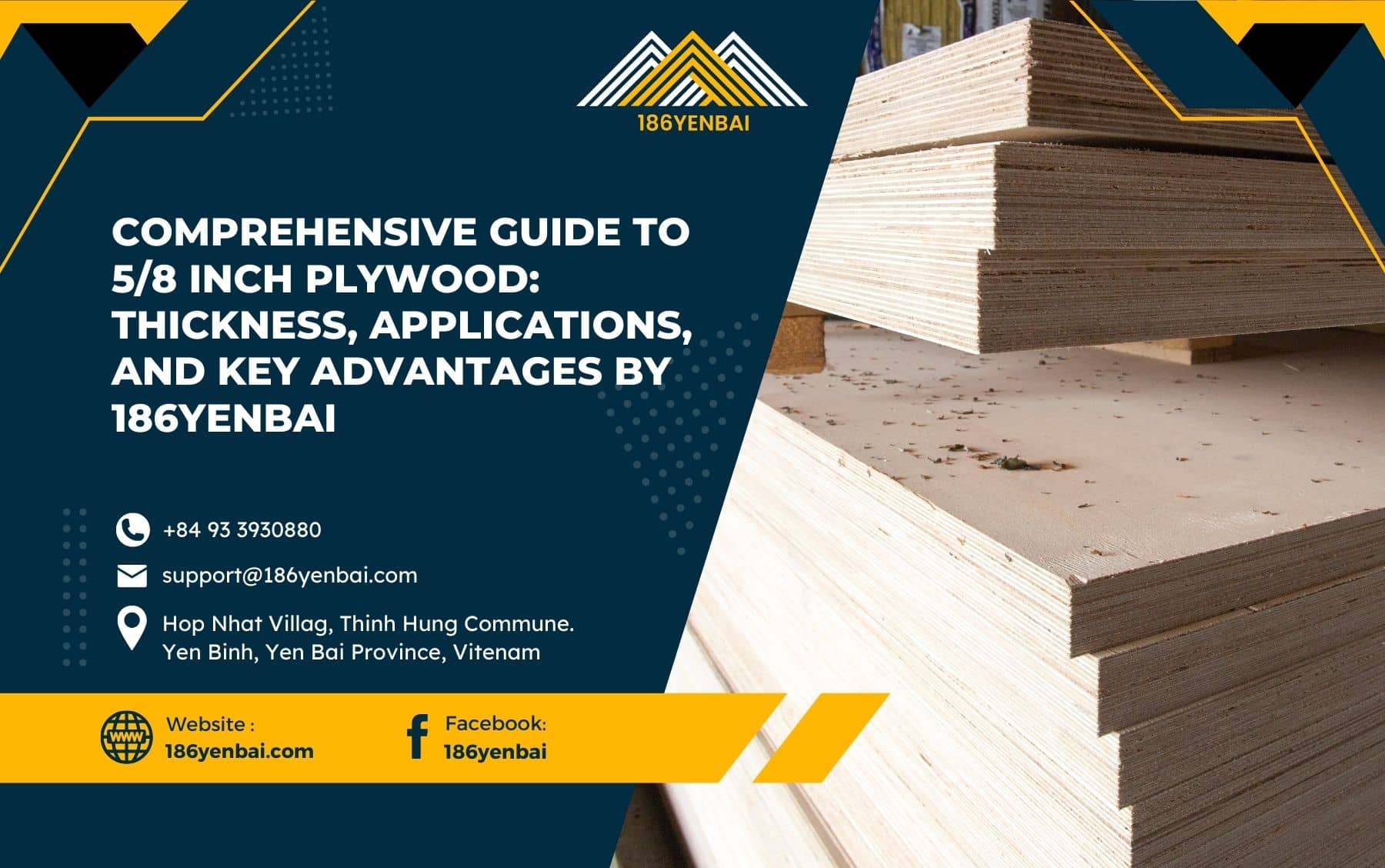
- Thickness: Standard plywood thicknesses range from 1/8” to 3/4”. Thicker plywood (3/4”) is best for structural purposes, while thinner options are typically used for decorative applications.
- Core Type: Choose veneer core for strength, while MDF core provides a smooth, paint-ready surface.
8. Maintenance and Care Tips
To extend hardwood plywood’s life, follow these tips:
- Avoid Moisture: Use a water-resistant finish to prevent warping in humid areas.
- Protect Surfaces: Edge banding or trim can cover exposed edges to reduce wear and enhance appearance.
- Regular Cleaning: Dust and wipe the surface with a soft cloth to maintain its appearance.
9. FAQs on Hardwood Plywood
- Is hardwood plywood stronger than MDF?
Yes, hardwood plywood is generally stronger and more durable than MDF due to its cross-laminated structure. - Can hardwood plywood be used outdoors?
While it can be used outdoors, applying a waterproof finish or selecting marine-grade plywood is recommended to enhance moisture resistance. - What is the best plywood for cabinets?
A-grade or B-grade hardwood plywood with an MDF core is ideal for cabinets, providing a smooth surface for finishing and strength to hold hardware.
Conclusion
Hardwood plywood is a versatile material that balances strength, durability, and aesthetics. Whether for furniture making, cabinetry, or decorative finishes, hardwood plywood provides the quality and cost-effectiveness that make it a top choice among professionals and DIYers alike. Understanding its grades, core types, and suitable applications can help you choose the right product for your next project, ensuring beautiful, long-lasting results.
For more information or inquiries about our high-quality plywood products, contact us at 186yenbai today to discuss how we can support your next construction or renovation project. Plywood Supplier
Phone: +84 93 3930880
Email: support@186yenbai.com
Facebook: https://www.facebook.com/186yenbai
Address: Hop Nhat Village, Thinh Hung Commune, Yen Binh, Yen Bai Province, Vietnam