Exploring Varieties of Flooring Supplies! Flooring is a crucial aspect of any construction project, impacting aesthetics, functionality, and comfort within spaces. From durable concrete options to visually appealing hardwoods, each flooring material offers distinct characteristics suited to specific applications. This comprehensive guide delves into the types of flooring supplies available, examining the advantages and disadvantages of each to help professionals make informed decisions for residential and commercial developments.

Key Factors in Choosing Varieties of Flooring Supplies
Selecting the ideal flooring material hinges on various factors, including cost, durability, aesthetics, and specific functional requirements such as sound and thermal insulation. Here are some primary considerations when choosing flooring materials:
- Initial Cost: Budget is a significant determinant. Some materials, like concrete and vinyl, are cost-effective, while options like marble or hardwood may require a higher investment.
- Durability and Maintenance: For high-traffic areas, materials with wear resistance, such as ceramic tiles or concrete, are optimal.
- Aesthetic Appeal: Flooring significantly impacts interior ambiance, with options like marble and hardwood offering timeless elegance.
- Sound and Thermal Insulation: Certain materials, such as cork or rubber, provide sound-dampening properties and insulation, making them suitable for specific environments like libraries or offices.
Common Flooring Materials Used in Construction Development
Each flooring type serves different needs and is suited to distinct applications. Here is a breakdown of popular flooring materials and their unique benefits:
1. Concrete Flooring

Concrete remains one of the most popular and versatile flooring options in construction due to its strength, affordability, and adaptability. Concrete can be finished in several ways, such as granolithic, polished, or with decorative stains, making it ideal for both industrial and residential projects. Durable and resistant to wear, it’s especially suited for high-traffic areas.
Related articles: Plywood Subfloor and Marine Plywood for moisture-resistant construction.
2. Brick Flooring

Bricks, while durable, are less common in modern construction. Brick flooring is typically found in basements, storage rooms, or outdoor spaces, providing a rustic, timeless appeal. Due to its rough texture, brick is not generally suitable for interiors requiring a polished look but is beneficial in spaces that prioritize durability and cost-effectiveness.
3. Flagstone Flooring

Flagstone, a type of sedimentary rock, is cut into tiles and is often used in outdoor landscaping or patios for its natural and durable qualities. It can withstand heavy foot traffic and provides a slip-resistant surface, making it perfect for wet or outdoor areas.
Learn more about alternative building materials: Plywood for Outdoor Use.
4. Marble Flooring

Known for its luxurious and elegant appearance, marble flooring is a preferred choice in commercial buildings, high-end residences, and places where aesthetics are prioritized. Marble is easy to clean and highly durable, making it ideal for bathrooms, kitchens, and entrance halls. However, it is relatively costly and requires regular maintenance to avoid staining.
5. Glass Flooring

Although not common, glass flooring is occasionally used in modern and high-tech buildings, particularly for its ability to transmit light between floors, adding a distinctive architectural element. While visually striking, glass flooring is generally more expensive and requires meticulous installation to ensure safety and durability.
6. Ceramic Tile Flooring

Ceramic tiles are a classic choice for bathrooms, kitchens, and other high-moisture areas due to their water resistance, durability, and ease of maintenance. Available in a range of colors, designs, and textures, ceramic tiles are highly customizable and suitable for both residential and commercial applications.
7. Vinyl (PVC) and Plastic Flooring

Vinyl flooring, often made from polyvinyl chloride (PVC), has grown in popularity for its affordability, resilience, and low-maintenance requirements. It is available in a wide range of colors and patterns, making it versatile for residential and light commercial spaces. However, it is less durable in high-traffic environments and may fade or scratch over time.
8. Wood and Timber Flooring

Wooden flooring is popular in regions where timber is readily available. It provides natural warmth and beauty, enhancing aesthetics in spaces like living rooms, dance studios, and gyms. Wood floors can be costly, require regular maintenance, and may not be suitable for high-moisture areas unless treated.
9. Cork Flooring

Cork, sourced from cork oak trees, is a sustainable and renewable flooring material. It is commonly used in spaces where sound insulation is important, such as libraries or study rooms. Cork flooring provides a soft, warm underfoot feel but requires sealing to prevent damage from moisture.
10. Linoleum Flooring

Linoleum, made from natural materials like linseed oil, cork dust, and wood flour, is an eco-friendly choice. Available in a variety of colors and patterns, linoleum is highly durable and ideal for high-traffic areas. It is resistant to staining, although it does require sealing for long-lasting use.
11. Asphalt Flooring
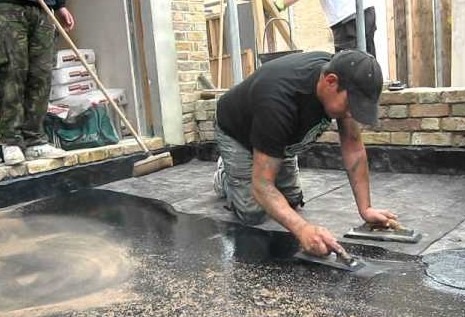
Asphalt floors, typically found in industrial settings, are known for their durability and affordability. Asphalt, combined with sand or marble chips, provides a non-slip surface that is resilient under heavy loads. Asphalt tiles are also available and offer a less labor-intensive option for installation.
12. Rubber Flooring

Rubber flooring is commonly used in gyms, play areas, and spaces requiring sound insulation. Rubber floors are durable, resistant to slips, and comfortable to walk on, making them ideal for locations where safety and comfort are priorities.
Practical Applications and Recommendations
Choosing the right flooring for specific applications can greatly enhance both functionality and aesthetics. Here are some practical tips for selecting the best flooring based on common needs:
- For High-Traffic Commercial Areas: Concrete, ceramic, and asphalt are ideal for durability.
- For High-Moisture Areas: Consider waterproof options like ceramic tiles, linoleum, and treated wood.
- For Aesthetically-Driven Spaces: Marble and glass can provide an elegant touch in high-end environments.
- For Sound Insulation: Cork and rubber are excellent choices for quiet spaces like libraries, offices, or home theaters.
By carefully evaluating these materials based on functionality, maintenance needs, and aesthetic preferences, professionals in construction and interior design can optimize flooring choices that enhance both the experience and longevity of their projects.
Conclusion
Understanding the strengths and limitations of each type of flooring material allows construction professionals to select the most appropriate option for their project needs. Whether prioritizing aesthetics, durability, or cost-efficiency, the right choice in flooring can improve not only the appearance but also the comfort and functionality of a space. For comprehensive building needs, pairing these flooring options with materials like HDO vs. MDO plywood and Plywood Edge Banding can further enhance the quality of construction.
Through informed selection, flooring materials can significantly influence the outcome of a construction project, creating spaces that are not only visually appealing but also practical and long-lasting.
If you’re ready to elevate your home renovation project, don’t hesitate to contact us at 186yenbai. Let us help you choose the right high-quality plywood that meets your needs and transforms your home into a beautiful and functional space.
Phone: +84 93 3930880
Email: support@186yenbai.com
Facebook: https://www.facebook.com
Address: FACTORY : Hop Nhat Villag,Thinh Hung Commune. Yen Binh,
Yen Bai Province, Vietnam
HANOI OFFICE : 32 Dai Tu Street, Dai Kim Ward Hoang Mai District,
Hanoi,Vietnam
Check out our other articles below:
Why High-Quality Plywood is the Ultimate Choice for Global Markets
High-Quality Plywood vs. Low-Quality Plywood: What’s the Difference?