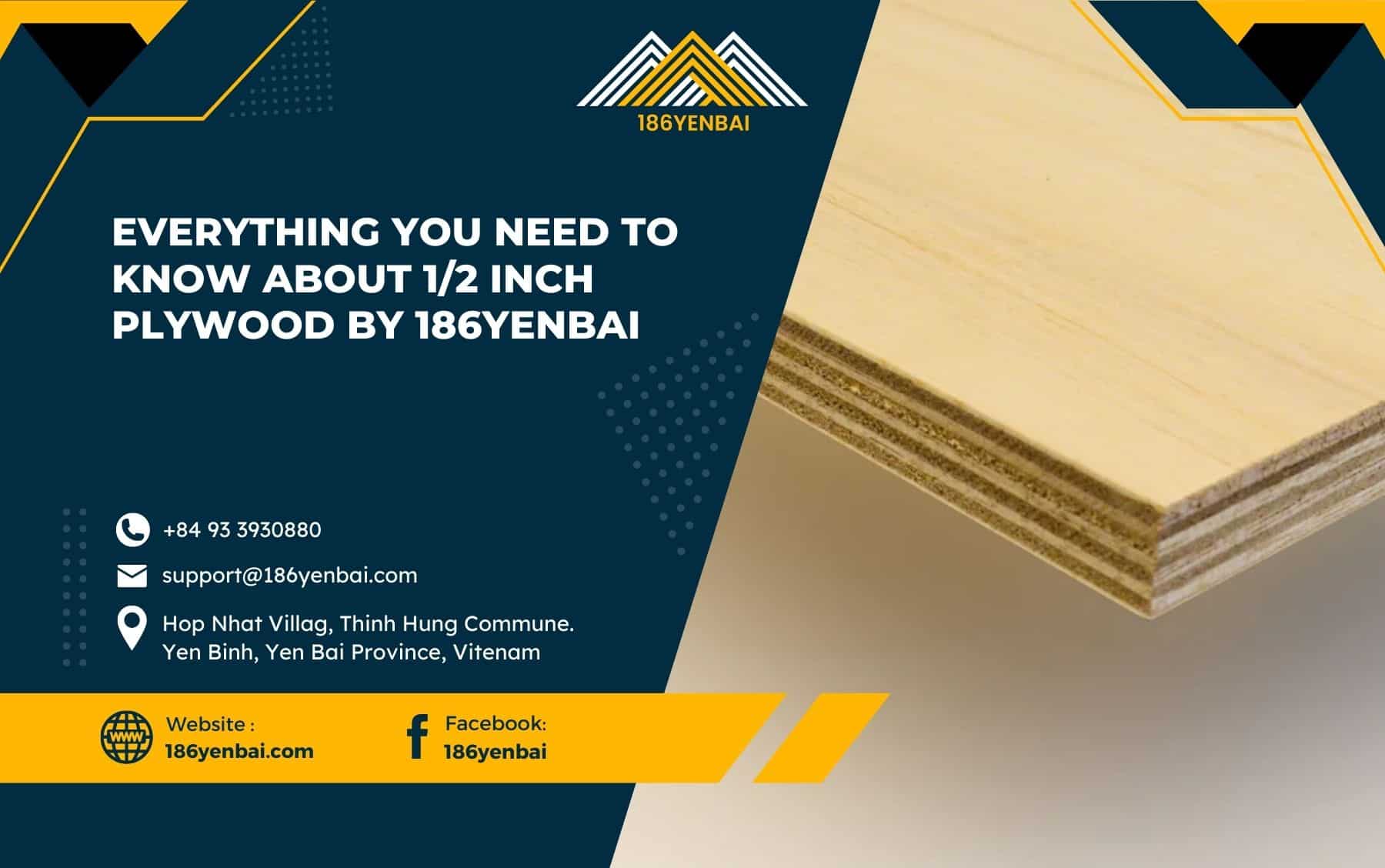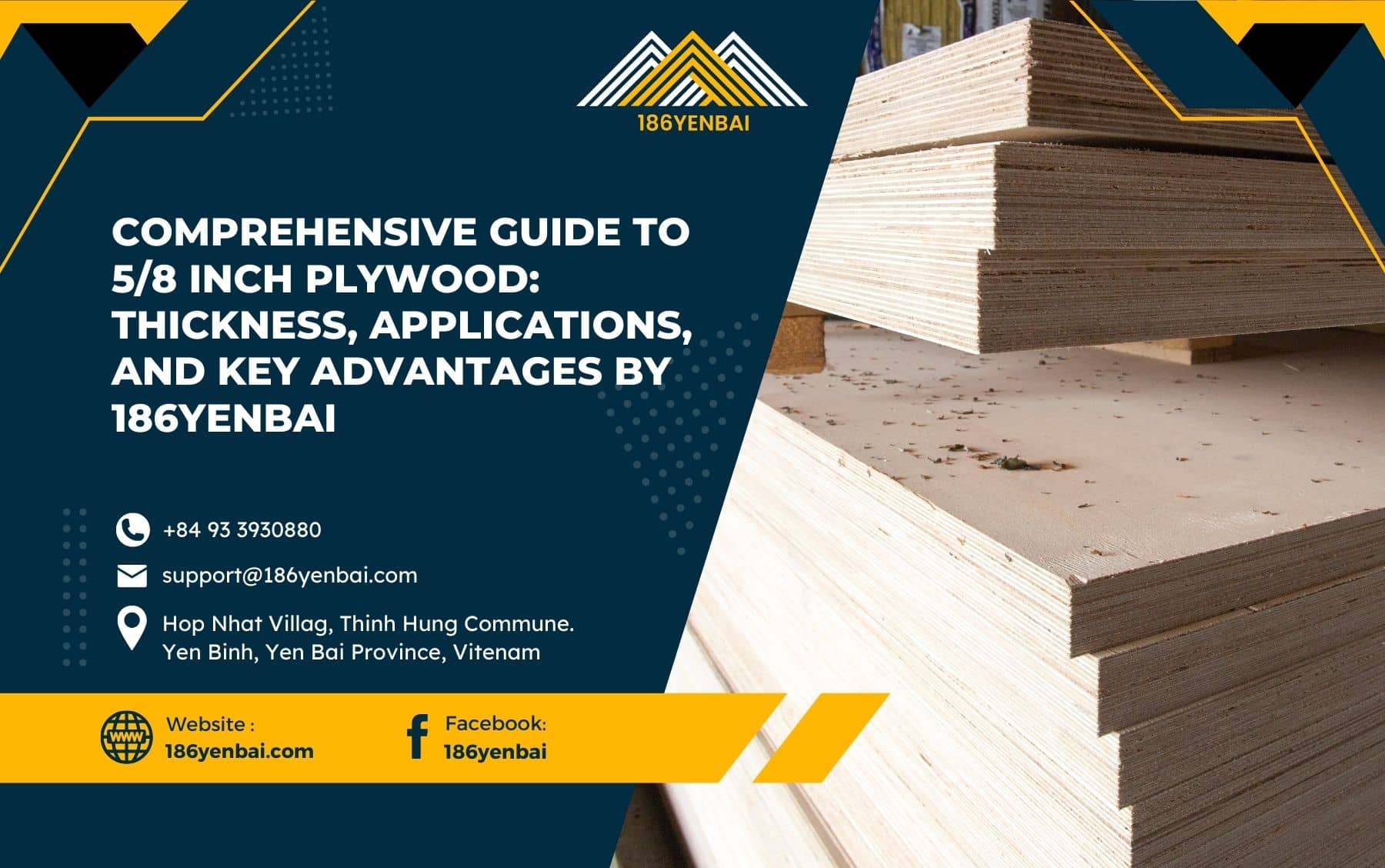
Plywood decking has gained popularity as a convenient, affordable alternative to traditional deck boards. Composed of multiple layers of wood veneers bonded together, plywood sheets create a solid surface that’s easy to install and efficient to maintain. For construction professionals and DIY enthusiasts, plywood decking presents an ideal option for residential decks, patios, and even commercial outdoor spaces. In this guide, we’ll cover everything from understanding the basics of plywood decking to installation tips, waterproofing techniques, and material selection.
Related Reading: For more on specialized plywood applications, check out our article on Marine Plywood and the Difference Between Stain vs Sealer for Decks.
Why Choose Plywood Decking?
Traditional decking is commonly made from individual boards, but plywood decking provides a seamless, smooth surface with quicker installation times and lower costs. Its primary structure consists of thin wood layers glued under pressure to create a unified, solid sheet, offering structural stability for projects that require high durability.
Key Advantages of Plywood Decking
- Affordability: Compared to individual wood or composite boards, plywood sheets are generally more budget-friendly.
- Quick Installation: Large plywood sheets can be placed over deck joists quickly, reducing overall installation time.
- Uniform Surface: Unlike traditional boards, which leave gaps, plywood creates a continuous, gap-free surface ideal for modern aesthetics.
However, plywood decking does come with unique considerations, such as water pooling and susceptibility to rot if not properly waterproofed.
Preventing Standing Water on Plywood Decking
One common challenge with plywood decking is water pooling due to the lack of gaps between the sheets. Traditional deck boards have spaces that allow rain to drain easily, but plywood decking, being a continuous surface, can trap water if it isn’t angled or sealed correctly. Accumulated water can lead to problems such as mold growth and wood decay.
Solutions to Prevent Pooling Water
- Angle the Deck Surface: Install the deck with a slight slope to encourage runoff.
- Regular Maintenance: Sweeping away standing water immediately after rainfall is essential.
- Waterproofing Treatments: Applying a high-quality waterproofing solution helps protect against long-term damage from moisture.
For more tips on weatherproofing wood surfaces, see our article on How to Seal Plywood for Outdoor Use.
Cost Considerations: Plywood vs. Traditional Deck Boards
Building a deck with traditional boards—whether pressure-treated wood, cedar, or composite—can be expensive. However, plywood decking offers a cost-effective solution as fewer sheets are needed to cover the same area. This material choice can be especially beneficial for temporary structures or budget-conscious projects.
Plywood Material Types for Decking
While many types of plywood exist, only a few are suited for outdoor decking due to their durability and resistance to the elements. The primary option to consider for decking is marine-grade plywood, which is engineered to withstand moisture better than standard plywood.
Marine Plywood stands out as the best choice for decking due to its construction, which includes:
- Waterproof Adhesive: Bonding agents in marine plywood resist water better than standard plywood, making it ideal for humid or rainy climates.
- Multiple Layers with No Voids: Marine plywood is typically made of seven to eight layers of veneer, minimizing gaps where water can penetrate.
For more on marine plywood and its advantages, read our in-depth guide What is the Difference Between Marine Plywood and Regular Plywood?.
How to Install Plywood Decking
Materials and Preparation
- Tools Needed: Circular saw, drill, waterproof adhesive, deck screws, and sealant.
- Choose Quality Plywood: Ensure it’s rated for outdoor use, ideally marine plywood for maximum water resistance.
- Preparation: Before installation, inspect joists and other structural components for durability and correct any irregularities.
Step-by-Step Installation Process
- Lay Out the Sheets: Start by arranging the plywood sheets over the joists, ensuring they fit together tightly without overlapping.
- Fasten the Plywood: Use deck screws and waterproof adhesive to secure each sheet. Space screws evenly for maximum stability.
- Seal Joints and Edges: Apply a waterproof sealant to all joints and exposed edges to prevent water infiltration, a crucial step for longevity.
Waterproofing and Maintenance Tips
Waterproofing is the most critical step in ensuring that plywood decking remains durable and resistant to damage over time. While marine plywood already has some water resistance, additional waterproofing will significantly extend its lifespan.
Waterproofing Methods
- Sealant Application: Use a high-quality deck sealant or polyurethane coating, especially on edges where water is most likely to penetrate.
- Acrylic Waterproof Membrane: This product can be applied as a liquid and dries into a flexible, waterproof membrane, offering extra protection.
- Regular Reapplications: Waterproofing treatments should be reapplied every 2-3 years to maintain effectiveness.
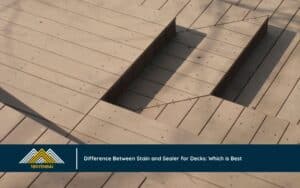
Related Article: Discover more about effective waterproofing in our guide Difference Between Stain and Sealer for Decks: Which is Best for Your Decking Needs?
Maintenance Tips
Routine maintenance is essential to keep plywood decking in top condition:
- Sweep Regularly: Clear away debris and standing water to prevent mold growth.
- Inspect for Wear: Periodically check for any signs of delamination or cracking, particularly around edges and corners.
- Apply UV Protection: Exposure to direct sunlight can cause fading or warping, so consider applying a UV-blocking finish to maintain the deck’s appearance.
Comparing Plywood Decking to Other Decking Materials
When weighing plywood decking against other options, it’s important to consider its specific advantages and limitations. Here’s how it stacks up:
- Cost: Plywood is more affordable than many hardwoods or composite decking materials.
- Durability: While marine plywood is resilient, it may not match the longevity of materials like composite, which are designed to be weatherproof.
- Appearance: With proper finishing, plywood can mimic high-quality wood surfaces but lacks the natural grain patterns of hardwoods.
- Maintenance: Plywood requires more regular waterproofing maintenance to avoid moisture damage.
Is Plywood Decking the Right Choice for Your Project?
Choosing plywood decking depends on the specific needs and budget of your project. Its affordability and ease of installation make it ideal for those seeking a quick solution, while its flexibility in covering large areas is a time-saving advantage. However, regular maintenance and waterproofing are necessary to ensure longevity.
In conclusion, plywood decking offers a versatile and cost-effective alternative for decking projects, particularly when marine-grade plywood and waterproofing measures are applied. If you’re considering plywood for your deck, remember to factor in regular maintenance to keep your decking in pristine condition year-round.
By understanding the full spectrum of plywood decking’s properties, from installation to maintenance, you can make an informed decision that meets both your aesthetic and functional needs.
For further reading on wood types and applications, check out our articles on Essential Characteristics of Plywood: Strength, Flexibility, and More, How to Install a Plywood Subfloor: A Comprehensive Guide, and What’s the Ideal Subfloor Thickness for Maximum Insulation?. Happy staining!
If you’re ready to elevate your home renovation project, don’t hesitate to contact us at 186yenbai. Let us help you choose the right high-quality plywood that meets your needs and transforms your home into a beautiful and functional space.
Phone: +84 93 3930880
Email: support@186yenbai.com
Facebook: https://www.facebook.com
Address: Hop Nhat Village, Thinh Hung Commune, Yen Binh, Yen Bai Province, Vietnam
Check out our other articles below:
Why High-Quality Plywood is the Ultimate Choice for Global Markets
High-Quality Plywood vs. Low-Quality Plywood: What’s the Difference?