Bendable Flexible Plywood, also known as flexible plywood or “flexi ply,” is a versatile material that brings adaptability to architectural designs, custom furniture, and art installations. Unlike standard plywood, bendable plywood features thin veneers arranged to achieve high flexibility, enabling it to be curved into various shapes, including complex “S” curves, waves, or circular patterns.
Understanding Bendable Flexible Plywood
Bendable plywood is constructed from layers of thin veneers designed to bend without breaking, making it ideal for projects requiring unique shapes. The wood’s flexibility results from its special layering technique, allowing it to mold into curved shapes seamlessly. Often referred to as “wiggle wood” or “curve-ply,” this plywood allows designers to create flowing, curved lines in both large and small-radius applications, which traditional plywood cannot achieve.
For more information on general plywood types and usage, you can explore our articles, like What is the Difference Between Marine Plywood and Regular Plywood?
Key Advantages of Bendable Flexible Plywood
The flexibility of bendable plywood opens up a world of design possibilities, but it also provides practical benefits in furniture making and interior decor:
1. Cold-Forming Ability for Curved Designs
Bendable plywood does not require heat or moisture treatment to form curves with small radii, making it convenient for constructing complex, organic shapes. This characteristic is essential in applications where rapid shaping is necessary, such as unique interior decorations or avant-garde furniture designs.
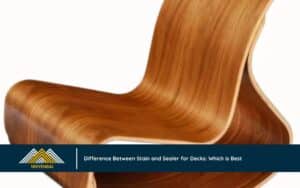
2. Self-Supporting Structure
Because of its unique layering, bendable plywood maintains a self-supporting structure, eliminating the need for additional frameworks. This reduces both the material and labor costs and shortens preparation times, which can be especially advantageous in large-scale commercial or custom projects.
3. Versatile Thickness Options
Bendable plywood is available in several thicknesses, typically ranging from 3mm to 15mm, which makes it adaptable to a variety of projects. Panels can also be glued together to achieve increased thickness as needed, offering additional support for larger-scale applications without sacrificing the flexibility required for intricate designs.
Related Reading: Top 5 Qualities to Look for in a Reliable Plywood Supplier
4. Minimal Tools and Experience Required
One of the greatest benefits of flexible plywood is that it requires minimal specialized tools for installation and can be shaped without extensive woodworking experience. This accessibility makes it an attractive choice for DIYers and professionals alike, reducing the need for costly machinery or advanced skills.
Disadvantages of Bendable Flexible Plywood
While bendable plywood has significant advantages, it is not without limitations. These considerations are important when deciding on its application:
- Reduced Durability: Due to its thinner veneers and structural design, bendable plywood is generally less durable than regular plywood and may not withstand heavy loads or high-impact environments.
- Limited Construction Applications: The strength of bendable plywood makes it best suited for decorative or light furniture applications rather than heavy-duty construction.
Practical Applications of Bendable Flexible Plywood
The adaptability of bendable plywood makes it a preferred choice for modern furniture designs, interior decor, and architectural features, especially in spaces where aesthetics and innovation intersect.
Furniture Design
Bendable plywood has revolutionized furniture design by allowing for the creation of innovative, ergonomic shapes that enhance comfort and style. Applications include:
- Curved Chair Backs: Curved chair backs and bases offer unique visual appeal and improved comfort, often seen in modern, minimalist designs.
- Bookcases and Storage Units: Rounded shelving and unique storage solutions are also made possible with flexible plywood, adding character to otherwise standard furniture pieces.
- Decorative Wall Panels: Wall installations using bendable plywood create a flowing, wave-like effect, adding texture and depth to interiors.
For further insight into plywood types suitable for furniture and construction, you may find our article What You Need to Know About Hardwood Plywood
Interior Architectural Elements
In commercial and residential interiors, bendable plywood offers a solution for seamless curved structures that enhance spatial dynamics:
- Ceiling Installations and Arches: Lightweight yet strong, bendable plywood is ideal for creating arches, wavy ceiling designs, and unique partition walls.
- Retail Displays and Counters: Retail spaces benefit from flexible plywood as it allows designers to create custom display shelves and curved counters that stand out and enhance the shopping experience.
Read More: What Is Fiberboard Material? Differences of MDF and HDF
Storage and Handling of Bendable Flexible Plywood
For optimal performance and longevity, handling and storing Bendable Flexible Plywood require specific care:
- Storage: Store panels flat in a clean, dry, shaded area to prevent warping. If stored vertically or rolled for extended periods, the panels may lose their shape.
- Transportation: Ensure panels are transported on a flat, stable surface. While single sheets can be rolled for short-term transport, avoid leaving them in a rolled position for too long.
- Application Techniques: During application, glue can be applied to secure the plywood in a curved position, and once dried, the panel will maintain its shape. This step is crucial for creating long-lasting curved structures.
If you are interested in applying finishes, our article How to Seal Plywood for Outdoor Use provides insights on plywood treatment methods.
Is Bendable Flexible Plywood Right for Your Project?
Whether you are working on residential furniture, commercial interiors, or custom design elements, bendable plywood offers an unparalleled level of flexibility. However, its suitability largely depends on the requirements of your project:
- For Complex Shapes: Bendable plywood is a clear choice for projects involving detailed curves, small radii, or unique forms.
- For Lightweight Structures: Its lightweight and easy-to-work nature make it suitable for temporary structures or displays.
- For Decorative Elements: In decorative applications, where the material is unlikely to encounter heavy loads, bendable plywood shines.
In conclusion, bendable plywood’s combination of flexibility, ease of use, and affordability makes it an excellent choice for projects that prioritize aesthetics and innovative design. Its limitations in durability can be balanced by thoughtful application, making it a valuable addition to any designer or builder’s materials toolkit.
Using bendable plywood can transform projects from conventional to extraordinary, allowing designers to explore new possibilities with curves and shapes. With careful handling, storage, and thoughtful application, it is possible to maximize its benefits and craft designs that are both functional and visually compelling.
For further reading on wood types and applications, check out our articles on Essential Characteristics of Plywood: Strength, Flexibility, and More, How to Install a Plywood Subfloor: A Comprehensive Guide, and What’s the Ideal Subfloor Thickness for Maximum Insulation?. Happy staining!
If you’re ready to elevate your home renovation project, don’t hesitate to contact us at 186yenbai. Let us help you choose the right high-quality plywood that meets your needs and transforms your home into a beautiful and functional space.
Phone: +84 93 3930880
Email: support@186yenbai.com
Facebook: https://www.facebook.com
Address: FACTORY : Hop Nhat Villag,Thinh Hung Commune. Yen Binh,
Yen Bai Province, Vietnam
HANOI OFFICE : 32 Dai Tu Street, Dai Kim Ward Hoang Mai District,
Hanoi,Vietnam
Check out our other articles below:
Why High-Quality Plywood is the Ultimate Choice for Global Markets
High-Quality Plywood vs. Low-Quality Plywood: What’s the Difference?